K2 gets the headlines, but Gilgit-Baltistan holds several other treks that rank among the finest in the Karakoram. Rakaposhi Base Camp, Nanga Parbat Base Camp and the Biafo–Hispar traverse to Snow Lake each offer a different kind of journey: a short, beautiful approach to a giant, a classic view of the Killer Mountain, and a genuinely remote glacier crossing. This guide compares them honestly so you can choose.
Three great Karakoram treks beyond K2
Beyond K2, three objectives stand out: Rakaposhi Base Camp above Minapin, Nanga Parbat Base Camp via Fairy Meadows, and the Biafo–Hispar glacier traverse to Snow Lake. They range from a moderate trek with big views to a serious, remote expedition-style crossing, so the right choice depends on your experience, time and budget.
All three are run by us from Skardu, with our own guides, cooks and porters and no middlemen. We hold a Department of Tourist Services licence (DTS No. 008) and we are open about what each route demands. They also differ a great deal in character. Rakaposhi and Nanga Parbat are mountain-viewing treks, where the reward is standing face to face with a giant from a grassy or moraine base camp. The Biafo–Hispar crossing is a different animal: days on ice, with the mountain landscape as your daily companion rather than a destination.
If this is your first big trek in Pakistan, start with our guide to planning your first trek, which covers permits, logistics and what a typical day looks like.
Rakaposhi Base Camp trek
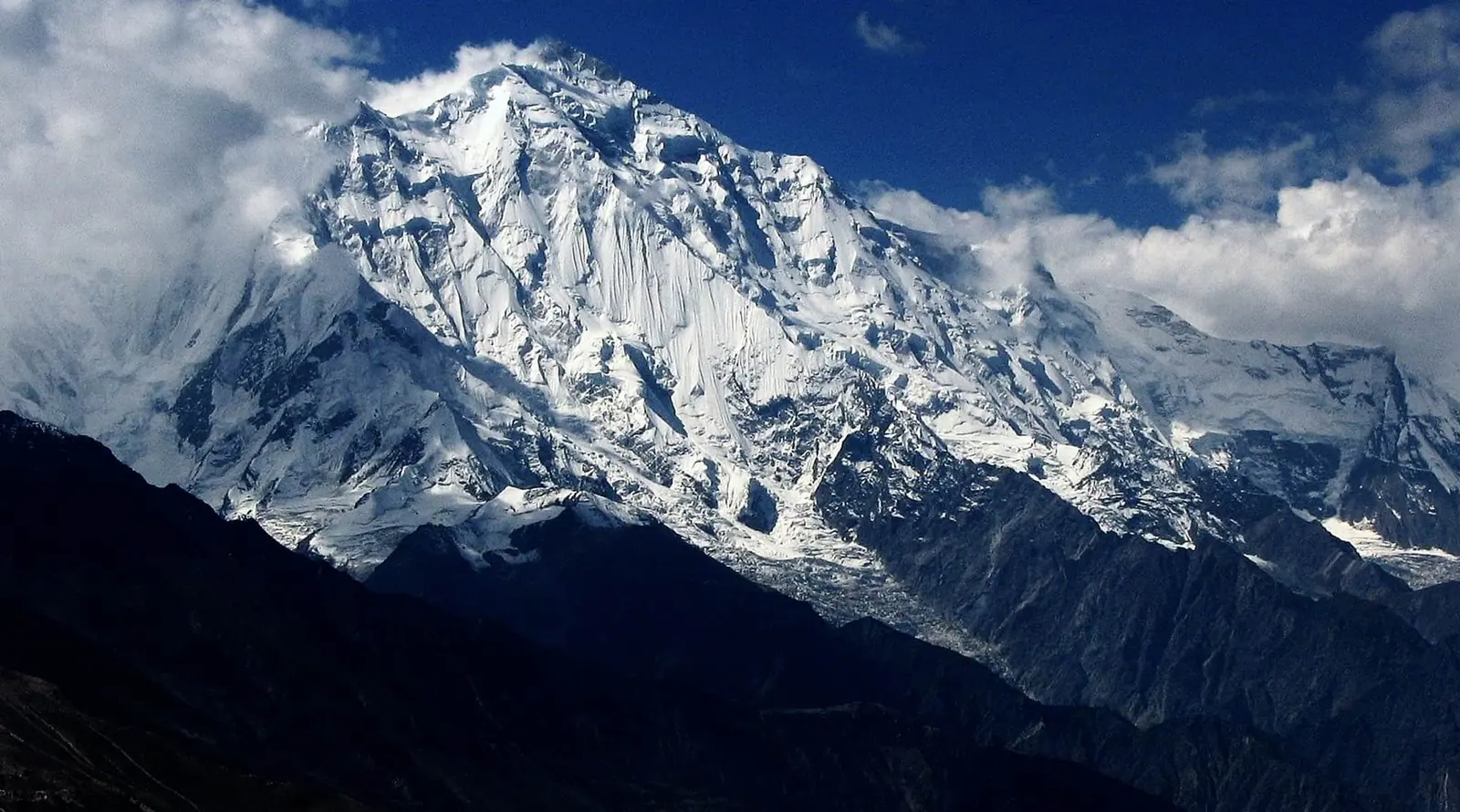
The Rakaposhi Base Camp trek climbs from Minapin village in Nagar to the foot of Rakaposhi, a 7,788 m peak that rises abruptly above the Hunza valley. It is a moderate trek of several days with outstanding views of Rakaposhi and Diran, and it suits fit first-time Karakoram trekkers. Our price is from $1,400 per person.
Rakaposhi is unusual because so much relief is visible in one sweep. The mountain climbs from the valley floor to its summit in a single great wall, and the trek takes you up through village fields and high pastures to a base camp with the whole face in front of you. Our main itinerary also includes Diran Base Camp, which adds a second major peak, Diran, and a longer, more rewarding route for those who want more than the classic viewpoint.
The trek is graded moderate rather than easy. Days are steady uphill walking on rough paths and moraine, and you will be sleeping in tents at camps that are high enough to feel in the lungs. You do not need technical skills, but you do need good general fitness and a sensible approach to pacing.
If you have less time or want a gentler introduction, we also run a shorter Minapin option. It follows the same valley into the heart of the Rakaposhi view without the full commitment of the longer route, from $750 per person. Prices fall as the group grows, and we confirm the exact figure when you enquire.
The best window is the summer trekking season, roughly June to September, when the paths are clear and the villages are green. Late summer often brings crisper skies. Our guide to the best time to trek in Pakistan explains how weather varies across the regions.
Nanga Parbat Base Camp trek
The Nanga Parbat Base Camp trek heads up from the Raikot side to Fairy Meadows and on to the base of the Raikot face of Nanga Parbat, the 8,126 m peak known as the Killer Mountain. It is a moderate trek with spectacular scenery, from $1,050 per person, and one of the most rewarding in Pakistan for the effort required.
Nanga Parbat is the ninth-highest mountain on Earth and stands almost alone at the western end of the Himalaya, which is why it feels so enormous from below. Its nickname comes from its history of tragedies on early expeditions. For trekkers there is no climbing involved, only walking, and the reputation should not put you off. We approach the mountain with respect and plan our days conservatively.
The route begins on the Karakoram Highway, where a rough jeep track climbs from the Raikot bridge toward the high meadows. From Fairy Meadows, pine forest opens onto open grass with the north face of Nanga Parbat filling the sky. Beyond the meadows the trek continues toward base camp across moraine and ridges. The scenery is dramatic from the first morning, which makes this a popular choice for people who want drama without a very long commitment.
Because the meadows are well known and the approach is shorter, this is the most accessible of the three treks. The ascent still gains real height, so do not treat it as a casual stroll. Our guide to altitude and acclimatisation in the Karakoram explains why steady pacing matters even on moderate routes.
Summer is the main season, typically June to September. If you want to see more of the region around it, our combined itinerary links Hunza and Fairy Meadows with Nanga Parbat Base Camp, and there are separate options for the shorter Fairy Meadows trek and the more demanding Rupal face and Mazeno La route for those who want more.
Biafo–Hispar & Snow Lake trek
The Biafo–Hispar trek crosses the Biafo and Hispar glaciers via Hispar La and the vast ice basin called Snow Lake (Lukpe Lawo), one of the longest glacier traverses outside the polar regions. It is a serious, remote expedition-style trek for experienced trekkers, from $2,600 per person.
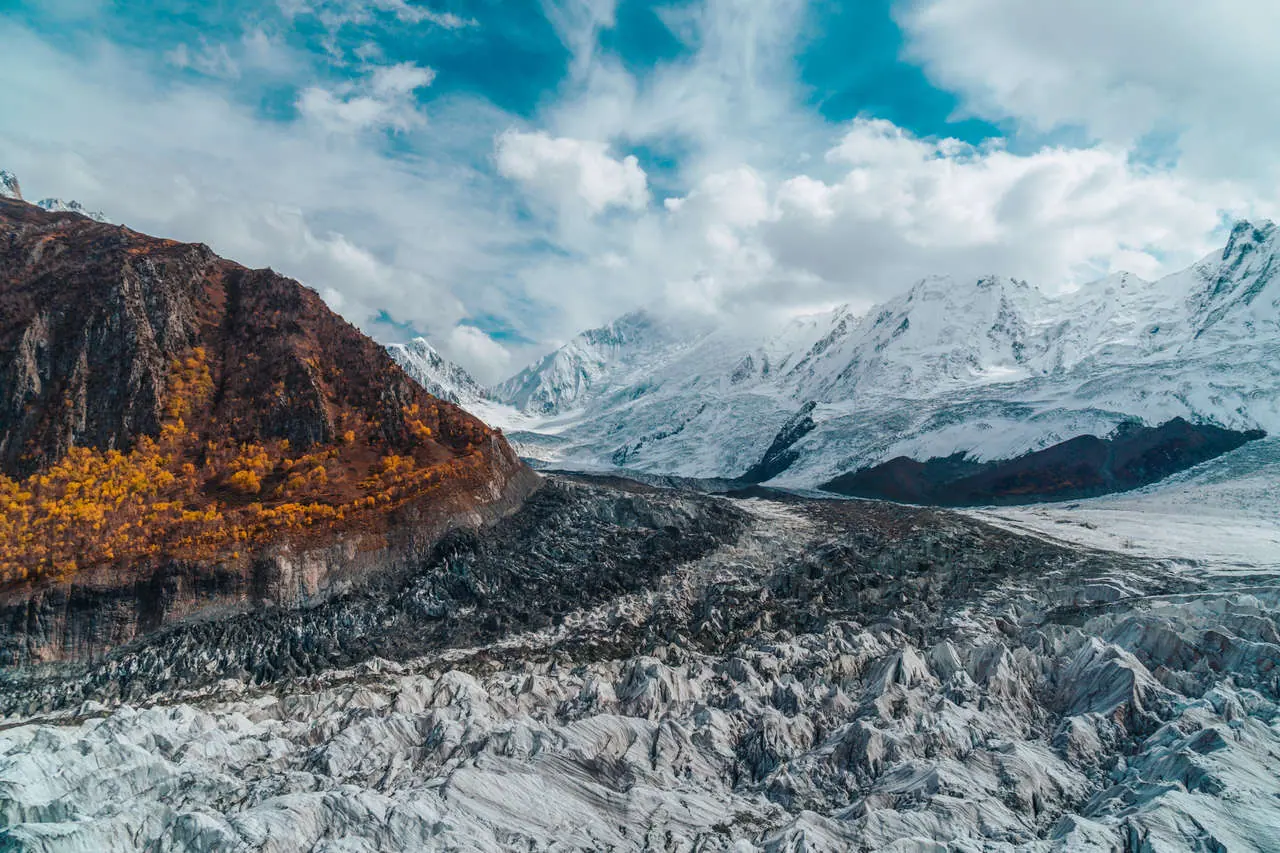
This is the big one. The route leaves from the Braldu valley, follows the Biafo glacier up to Snow Lake, and then crosses the high pass of Hispar La to descend the Hispar glacier toward Nagar and Hunza. It links two of the great glaciers of the Karakoram into a single continuous crossing, and for much of it you are far from any road, village or help.
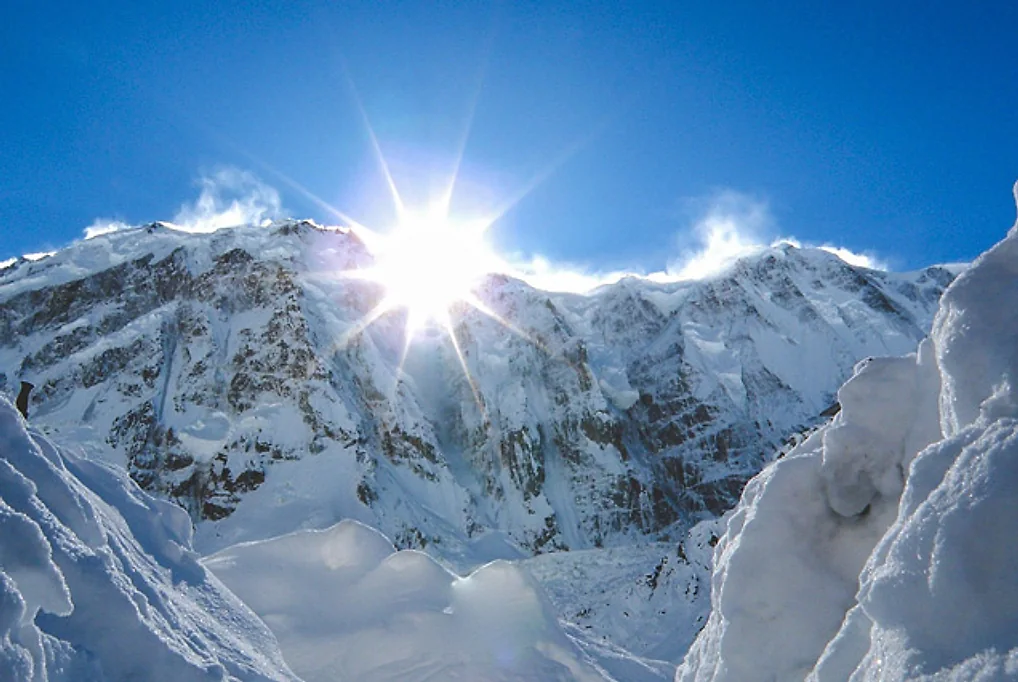
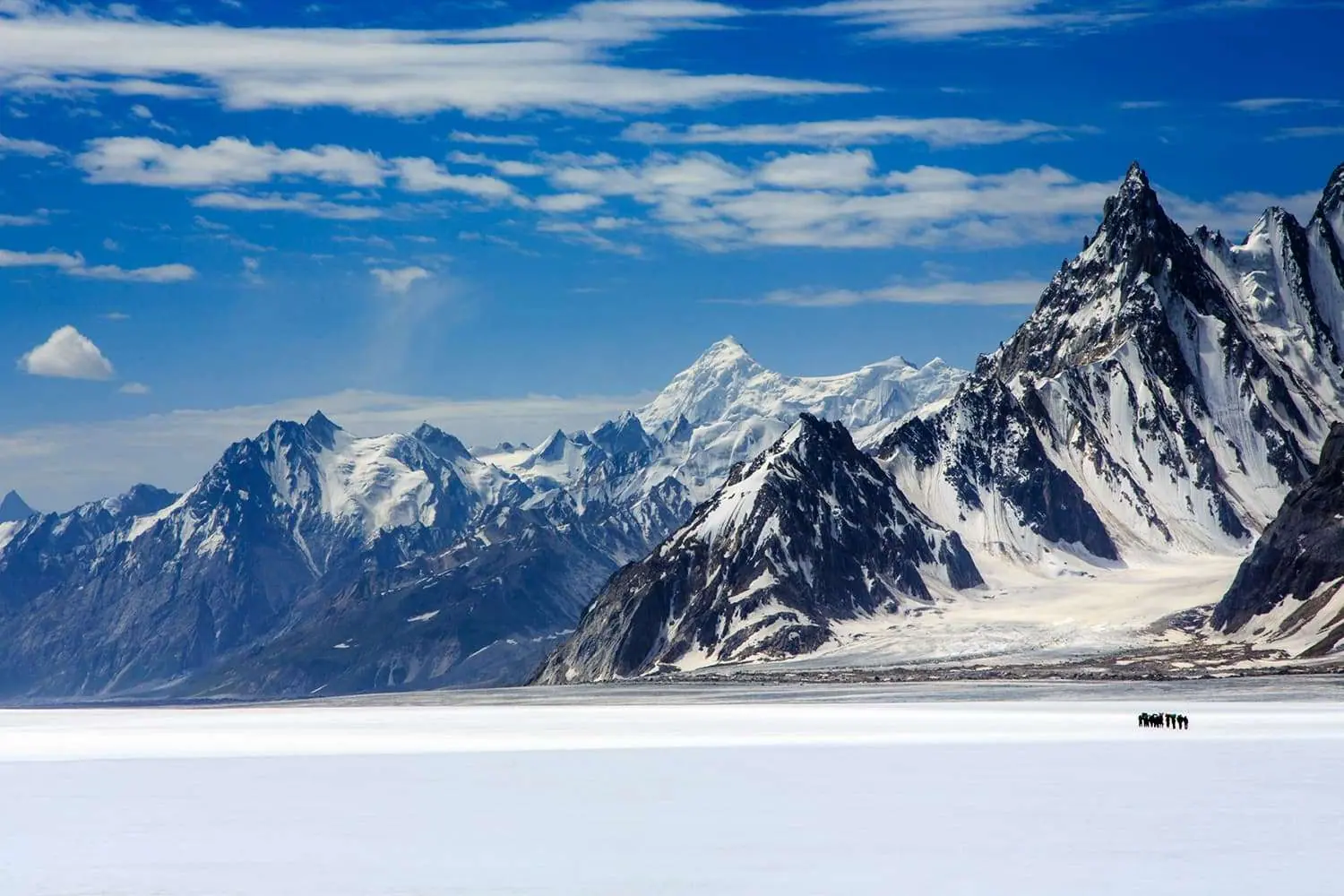
Snow Lake itself is a vast, high ice basin ringed by granite peaks, and standing at its edge gives a sense of scale that few places can match. The trek also passes through some of the most remote country in the range, with days of walking on moving ice, crevasse awareness, and long stretches without a clear trail.
That level of remoteness changes how we plan. Expect a long, self-contained trek with a full porter team, careful food and fuel planning, and the flexibility to adjust days to weather and conditions. Previous multi-day high-altitude trekking, comfort on glacier ground and strong fitness are essential. If you have not yet done a major trek in the Karakoram, build up to this one through a route such as K2 Base Camp or Rakaposhi first.
Summer is the only realistic window, usually July and August when the ice is at its most consistent and passes are most reliable. Dates and conditions vary year to year, so we confirm the schedule with you before you commit.
Which one suits you?
Choose Rakaposhi if you want a rewarding moderate trek in a single working week or so, Nanga Parbat if you want a famous 8,000 m mountain face with the least logistics, and Snow Lake if you are experienced and want one of the great remote crossings in the world. All three are best in summer.
| Trek | Difficulty | Typical length | Best for | From price |
|---|---|---|---|---|
| Rakaposhi BC | Moderate | About a week | First Karakoram trek, big views | $1,400 (short option $750) |
| Nanga Parbat BC | Moderate | Under a week to a week | Iconic 8,000 m face, accessible | $1,050 |
| Snow Lake (Biafo–Hispar) | Hard, remote | Two to three weeks | Experienced glacier trekkers | $2,600 |
Prices are per person, quoted for a group of seven to ten, and they fall as group size grows. They cover our own guides, cooks, porters, permits and logistics from Skardu, and we send a clear inclusions list before you book. For a deeper look at how pricing works across the Karakoram, see our cost guide.
A simple way to decide is to look at your experience. If you have trekked at altitude before and want a classic, Rakaposhi or Nanga Parbat are excellent choices, and many people do both across two trips. If you have done long Karakoram treks and are looking for something that stretches you, Snow Lake is the route. If you are unsure, tell us what you have done and we will give you an honest answer, including when we think you should choose something shorter.
Plan this with us: tell us your dates, your experience and the kind of trek you want, and we will recommend a route, confirm the current price for your group size and take care of permits and logistics from Skardu. If you are not sure where to start, begin with Rakaposhi.