Hunza Apricot & Cherry Blossom Tour
Request a quoteExplore
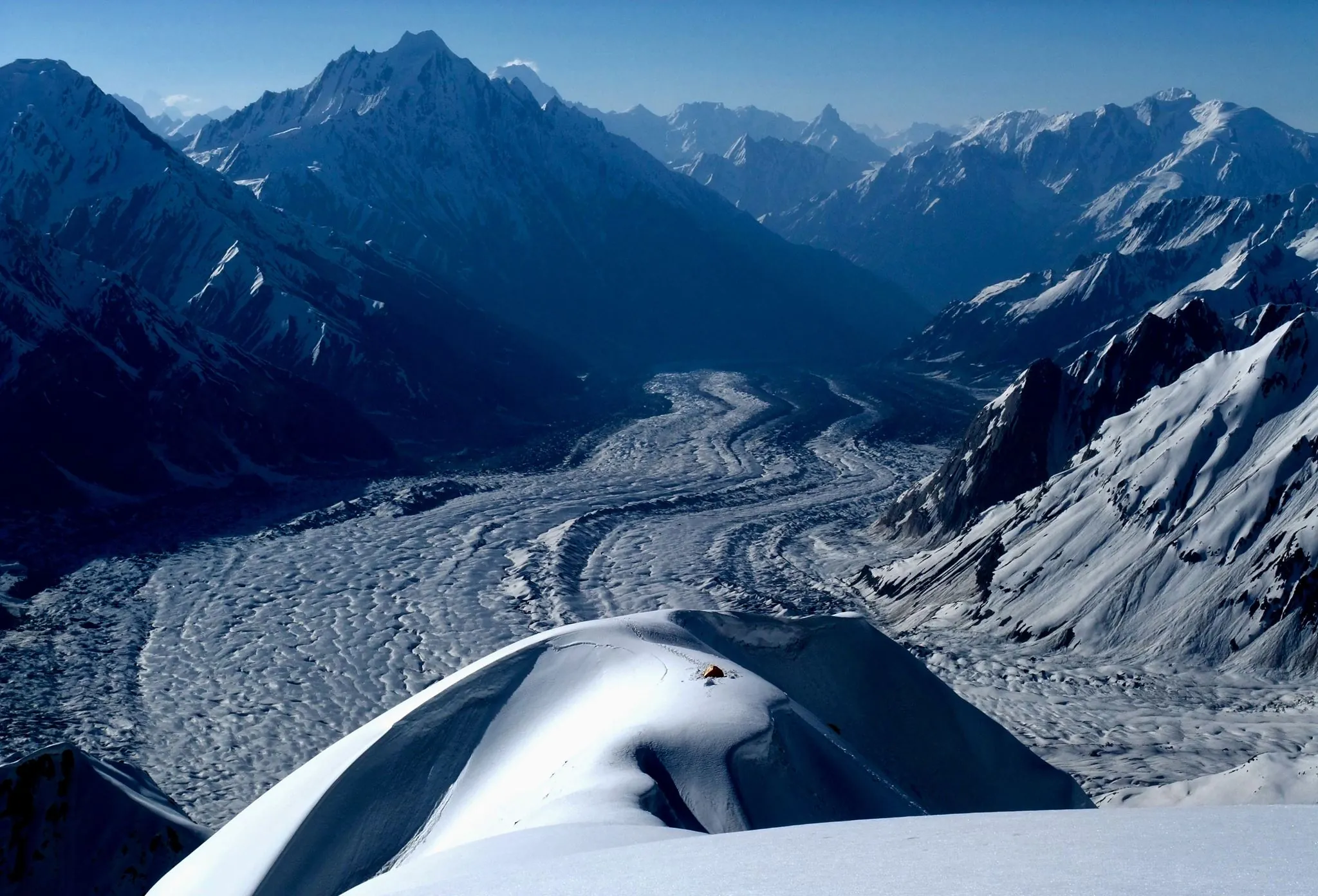
A six-day journey from Islamabad to the pine forests and lakes of the Naltar Valley, then up the Hunza valley to Karimabad and the Khunjerab Pass at 4,693 m.
Per person in USD, full-board — the larger your group, the lower the per-person cost. We confirm your exact all-in figure in writing before any deposit.
| Group size | Per person |
|---|---|
| 7–10 people | $900 |
| 4–6 people | $1,050 |
| 1–3 people | $1,300 |
Excludes international flights, Pakistan visa, insurance, personal equipment and tips.
Guaranteed small-group dates for the 2027 season. Prefer your own dates? Every trip can also run privately inside its season window.
| 15 May 2027 → 20 May 2027 | Book this date |
|---|---|
| 15 Jun 2027 → 20 Jun 2027 | Book this date |
| 15 Jul 2027 → 20 Jul 2027 | Book this date |
| 15 Aug 2027 → 20 Aug 2027 | Book this date |
| 15 Sept 2027 → 20 Sept 2027 | Book this date |
| 5 Oct 2027 → 10 Oct 2027 | Book this date |
The Naltar and Khunjerab tour is a six-day cultural journey from Islamabad. It pairs the pine forests and lakes of the Naltar Valley, reached by jeep from Nomal near Gilgit, with the top of the Karakoram Highway: Karimabad's forts, Attabad Lake and the Khunjerab Pass (4,693 m) on the Chinese border. It runs from May to October.
Naltar is a side valley off the Hunza road near Gilgit. From Nomal a jeep road climbs steeply into pine forest and open pasture, and beyond the village an unpaved track follows a stream to a chain of small lakes a little over 3,000 m above sea level. The water changes colour with the light, and one of the lakes is named Satrangi, meaning seven-coloured. In winter the valley becomes a small ski area, and deep snow closes the upper track to vehicles.
From Naltar we rejoin the Karakoram Highway and follow the Hunza River north, along an old branch of the Silk Road. Karimabad, the main town of Hunza, sits below Baltit Fort, restored in the 1990s, with Altit Fort, the older of the two, close by. Further north, Attabad Lake formed when a landslide dammed the river in January 2010 and drowned part of the highway, which now passes through tunnels; beyond it lies Gojal, the upper valley, where the villages are largely Wakhi-speaking and the Passu Cones stand above the road. The road then climbs to the Khunjerab Pass, 4,693 m above sea level, on the border with China.
The trip is hotel-based and almost entirely by vehicle: the flight from Islamabad to Gilgit (the highway is the alternative, but it takes two long days each way), jeeps on the Naltar track, and a private vehicle with a driver and guide in Hunza. There is no trekking, only short walks. We grade it moderate rather than easy because of the rough track, a night just under 3,000 m at Naltar and the thin air at Khunjerab. Flights to Gilgit are often delayed or cancelled by cloud, so we suggest leaving a spare day before any onward flight.
Deep snow closes the upper Naltar track in winter, and the road to the Khunjerab Pass is dependable in summer, so the trip runs from May to October. The pass has been officially open all year since December 2024, but snow can still close the road in winter, which is the season for Naltar's ski area rather than for this itinerary.
6 stages over 6 days, starting and finishing in Islamabad. Routes can be shortened, extended or privately dated.
Morning flight from Islamabad to Gilgit, about an hour and weather permitting. From Gilgit we drive north on the Karakoram Highway to Nomal, where the Naltar road leaves the highway, and continue by jeep into the valley, spending the night just under 3,000 m and keeping the evening quiet. If the flight is cancelled we try again the next day or take the highway, and the programme moves with it.
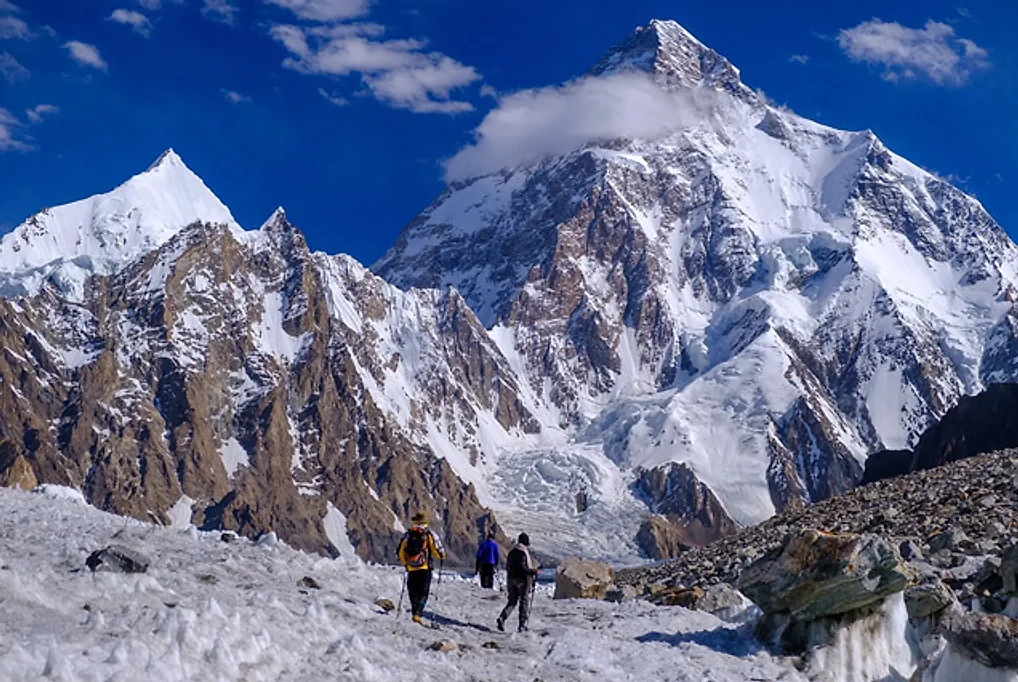
In the morning the jeeps take the unpaved track beyond the village to the Bashkiri lakes and the Blue Lake, with time to walk by the water before we come down. At Nomal we rejoin the Karakoram Highway and drive north into Hunza, stopping for Rakaposhi (7,788 m) from the road. It is a long day, and we reach Karimabad in the evening.
A morning in old Hunza at Baltit Fort and Altit Fort, with time in the Karimabad bazaar between them. We then drive north to Attabad Lake for a short boat ride and continue through the tunnels into Gojal, the upper valley. Overnight in Passu, with the Passu Cones above the village.
An early start north through Sost, the last town before the border, and on into Khunjerab National Park, where marmots are common on the high pastures. The road climbs to the pass at 4,693 m on the Chinese frontier; the air is thin and cold, so we stay a short while, then descend and return to Passu for the night. Snow or landslides can delay the road, and we keep the day flexible.
A long drive back down the Hunza valley, with lunch in Karimabad and a last look at Rakaposhi (7,788 m) from the highway. We reach Gilgit by the evening, with time for the bazaar and an early night before the morning flight.
Morning flight from Gilgit to Islamabad, weather permitting. If flights are grounded, the Karakoram Highway is the alternative, two long days with a night at Chilas, so we advise booking onward international flights with a margin.
These are the standard inclusions for our tour programmes and are confirmed in writing on your final itinerary before any payment is taken.
Flights between Islamabad and Gilgit are often delayed or cancelled when cloud sits over the mountains. We try again the next morning or drive the Karakoram Highway, which takes two long days with a night at Chilas, and the programme moves with it. For that reason we suggest leaving a spare day before any onward international flight.
The road from Nomal is steep and narrow in places, and the track beyond the village to the lakes is unpaved. Local jeep drivers who know it well make the journey, but it is a bumpy ride, so tell us beforehand if heights or rough roads trouble you. Deep snow blocks the upper track in winter, which is why the trip runs between May and October.
The pass has been officially open all year since December 2024, but snow can still close the road in winter; between May and October it is normally open. We drive to the Pakistani side of the border only, since crossing into China needs a Chinese visa and separate arrangements that are not part of this trip.
Our night at Naltar is just under 3,000 m, and the Khunjerab Pass at 4,693 m is a day visit, with the night spent lower in Passu. Some people feel the height at the pass as a headache or breathlessness, so we stay a short time at the top, walk slowly and descend. Drink plenty of water and take the first evening at Naltar quietly.
This is graded moderate. Most days are easy and hotel-based, with a private vehicle and only short, optional walks rather than trekking; the main demands are the long mountain drives and the thin air on any high pass or plateau. If you tell us a little about yourself we will give you an honest answer.
The season is May – October. We can also arrange a private departure on your own dates within it.
2–14. Smaller and private groups are available and often cost less per head than you would expect — ask us for a quote on your own dates.
The headline is the per-person rate for a standard group of 7–10; smaller groups pay a little more per head because fixed costs — guide, permits, liaison officer and transport — are shared across fewer people. Prices are full-board, and we confirm your exact all-in total in writing before any deposit.
No reviews yet — be the first to review the naltar & khunjerab.
Practical guides to help you prepare for the naltar & khunjerab: