K2 Gondogoro La Trek
Request a quoteExplore
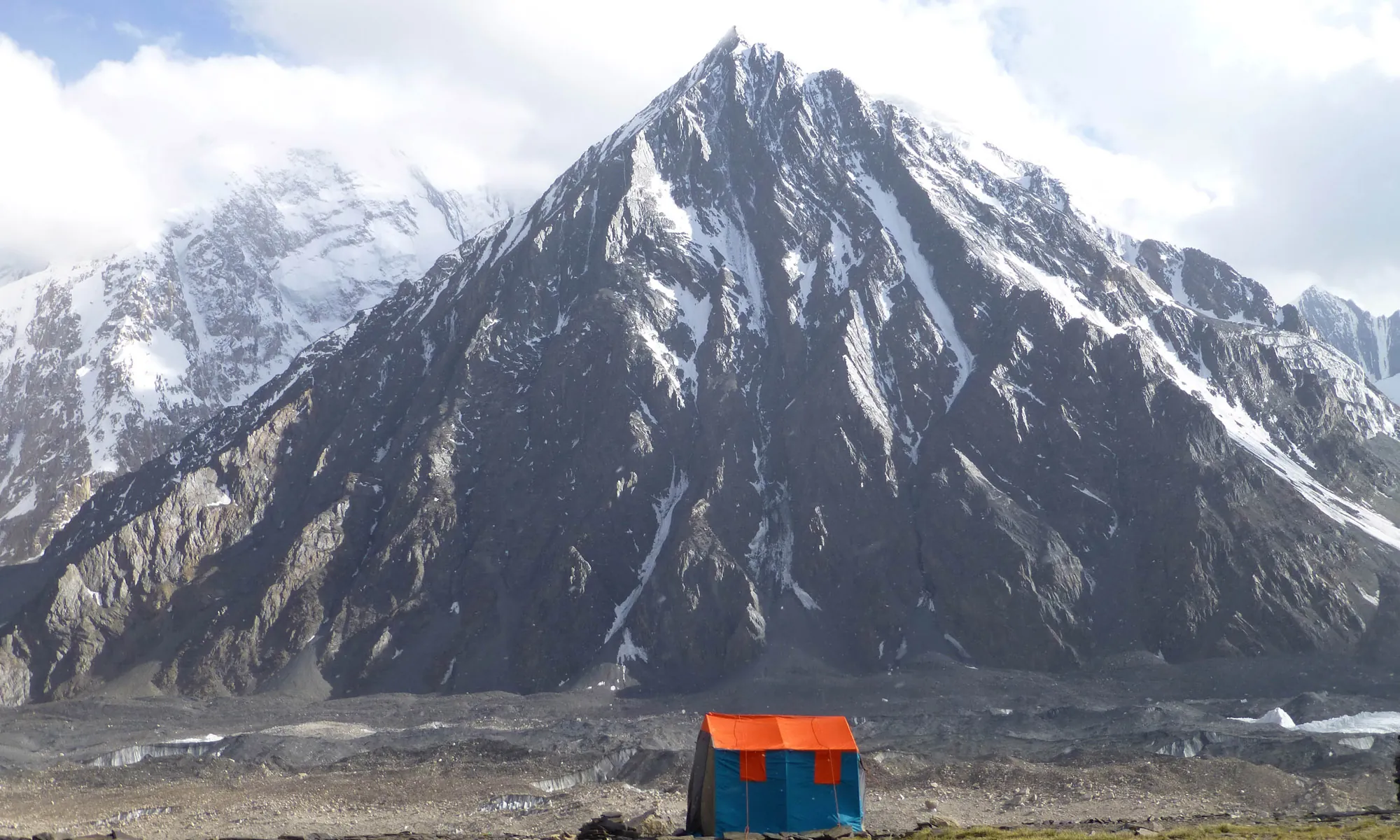
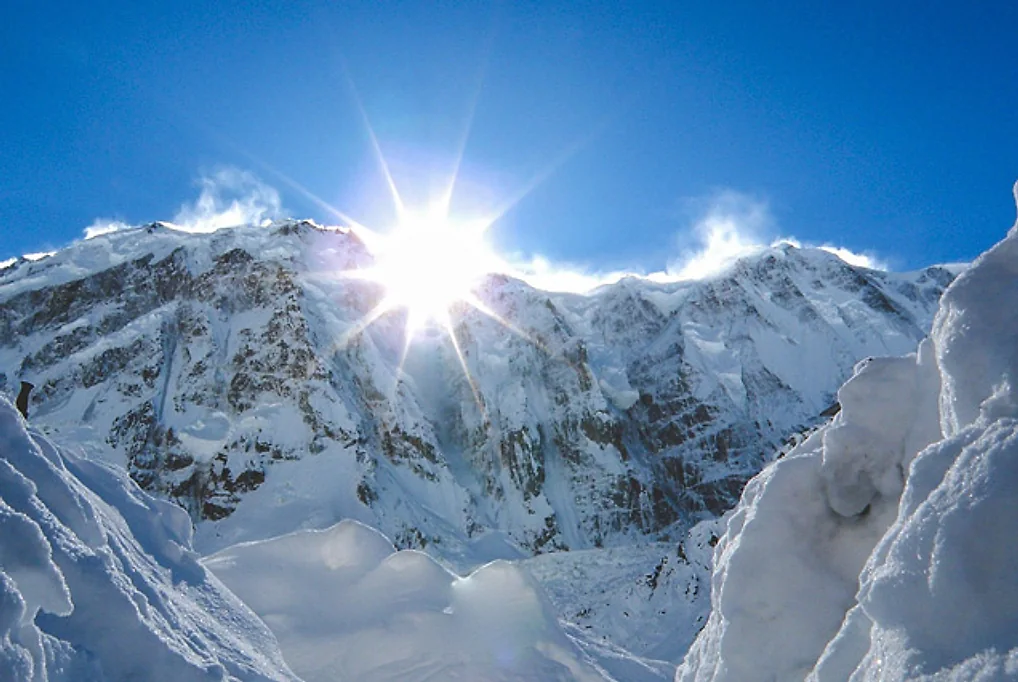
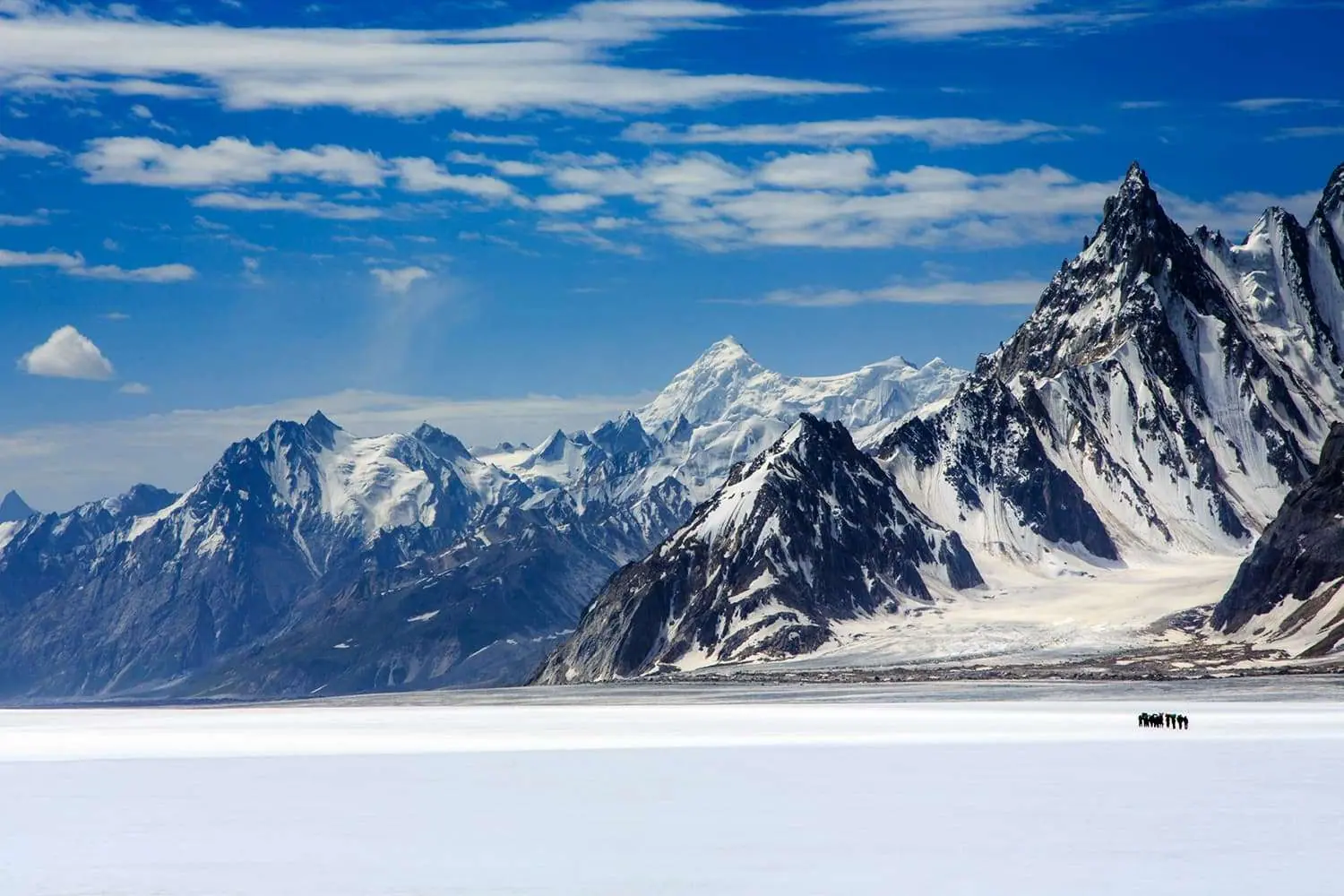
A seven-day trek from Skardu to Hushe and up the valley to a viewpoint of about 4,200 m below Masherbrum, with the mountain's south face and Laila Peak in view and no technical ground.
Per person in USD, full-board — the larger your group, the lower the per-person cost. We confirm your exact all-in figure in writing before any deposit.
| Group size | Per person |
|---|---|
| 7–10 people | $1,200 |
| 4–6 people | $1,400 |
| 1–3 people | $1,750 |
Excludes international flights, Pakistan visa, insurance, personal equipment and tips.
Guaranteed small-group dates for the 2027 season. Prefer your own dates? Every trip can also run privately inside its season window.
| 20 Jun 2027 → 26 Jun 2027 | Book this date |
|---|---|
| 8 Jul 2027 → 14 Jul 2027 | Book this date |
| 25 Jul 2027 → 31 Jul 2027 | Book this date |
| 12 Aug 2027 → 18 Aug 2027 | Book this date |
This seven-day trek goes from Skardu by road to Hushe, the last village in the Hushe valley of Ghanche district, and walks up the valley to the high meadows below Masherbrum (K1, 7,821 m). It stops at a viewpoint of about 4,200 m, where the south side of the mountain stands across the glacier, and returns the same way. It is the shorter of our two Masherbrum treks and is meant for walkers who want the mountain without the glacier travel of a full base camp trip.
Hushe, at about 3,050 m, is a farming village of stone houses, barley and potato fields and apricot trees, home to a Balti community and the roadhead for several of the best-known walks in the Karakoram. The valley above it leads towards Masherbrum and the Masherbrum Glacier, and to the Gondogoro valley, from which the Gondogoro La route to K2 begins. On clear days Laila Peak (6,096 m), a sharp granite spire, is visible from the upper valley, and the ridges around Hushe carry a number of other 6,000 m and 7,000 m summits.
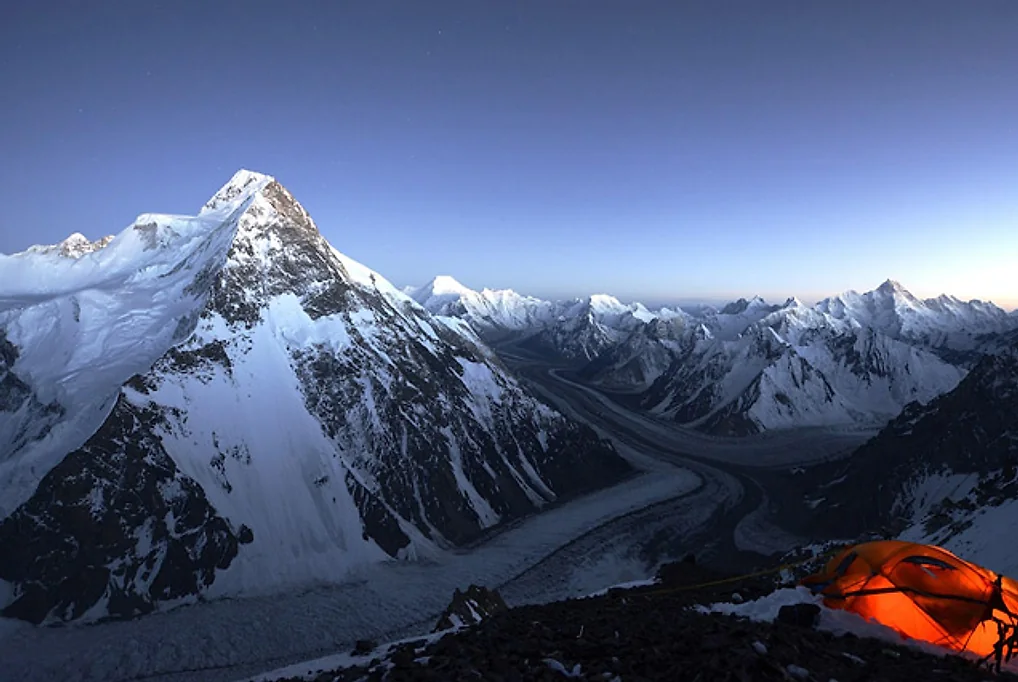
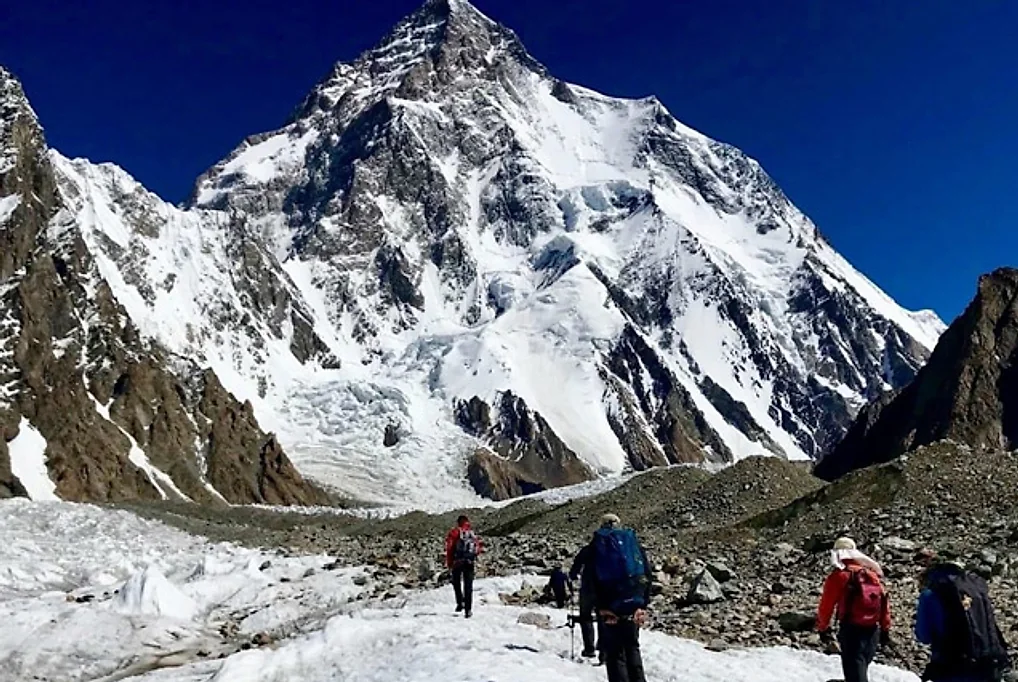
The route is a trekking path, not a climbing route. After a day to settle in at Hushe, we walk for three days up the valley: first through fields and scrub along the river, then on grazing pasture, with camps at about 3,500 m and 3,800 m on the way up. The viewpoint day is a climb of roughly 400 m above the upper camp and back, taking most of a day. Camps are tented, and porters from Hushe carry the tents, food and kit while you carry a day pack. A cook and guide go with the group, and meals are full board throughout.
This is the lighter version of the walk, not our full Masherbrum Base Camp trek. That trip continues up the Masherbrum Glacier to base camp, which takes it higher, adds days and puts walkers on moraine and ice for part of the way. This one ends at the viewpoint, with a spare half-day for weather, and is easier to fit into a short holiday. We grade it Moderate to strenuous: the paths are clear and nothing is technical, but the walking days are long, the descent to Hushe is hard on the knees, and at 3,000 to 4,200 m some people feel headaches or sleep badly. Streams in the valley carry glacial melt in the afternoons, and crossings can be cold and knee-deep in midsummer.
The trek runs from June to September, when the road is usually open and the path is clear enough of snow to use. Mornings are normally the clearest time for the peaks, so we start early each day, and nights at the upper camp are cold even in midsummer.
7 stages over 7 days, starting and finishing in Skardu. Routes can be shortened, extended or privately dated.
A morning drive from Skardu (about 2,230 m) along the Indus and then the Shyok valley to Khaplu, and on up the Hushe valley through Kande and Machulu to Hushe, a journey of about 150 km that takes six to seven hours with stops. The last stretch is narrow and unsurfaced in places, and landslides can slow it in the wet months. We sleep in a guesthouse or camp in Hushe (about 3,050 m), a gain of roughly 800 m on Skardu, so we keep the afternoon quiet.
A rest-and-acclimatise day. We meet the porters, check kit and weigh loads, then take a short, easy walk through the fields and along the river above the village, with a first look at the peaks around the valley head. The aim is to sleep a second night at the same height before climbing, which makes the days that follow more comfortable. Tea in a village house is usually possible if you would like it.
An early start for the first day on the trail: about four to five hours up the valley, along the river and across a few side streams, to a campsite at about 3,500 m. The path is clear, the climbing is gradual and the day is short, so there is time in the afternoon to rest. We camp near water, and the porters pitch the tents and the cook prepares dinner.
A longer day of five to six hours, climbing to the grazing meadows at about 3,800 m, where the herders keep their animals in summer. The valley opens as we gain height and Masherbrum begins to show above the ridges, though it is often in cloud by midday. Stream crossings are easier in the morning than later, and we plan the day around them. Camp here is cold at night and the afternoon is free.
The high point of the trip. Leaving early, we climb about 400 m above camp to a viewpoint of about 4,200 m, with the south face of Masherbrum (7,821 m) and the glacier below it spread out ahead, and Laila Peak (6,096 m) and the peaks around Gondogoro to be picked out in clear weather. The round trip takes six to eight hours, with a long stop at the top, and we go only as far as everyone is comfortable. If the mountain is in cloud, we have the option of a second attempt on the morning of Day 6 before the descent, weather and group strength permitting. We return to the upper camp for the night.
A long descent, seven to eight hours if we go all the way to Hushe in one day, on the same path, with the river crossings now easier in the cool of the morning. The descent is harder on the knees than the climb, and trekking poles help. We spend the night in a Hushe guesthouse or camp, with a hot meal and a chance to wash. This day can be split with a night at the lower camp if the group prefers a shorter walk, in which case Day 7 begins with a short walk out.
The road back down the Hushe valley to Khaplu and on to Skardu, which takes six to seven hours with stops. We usually stop in Khaplu for tea and a look at the Khaplu Palace or the Chaqchan Mosque if time allows. The trip ends in Skardu in the late afternoon. If the trek has been delayed by weather, this is the day that absorbs it, so we suggest not booking a flight out of Skardu on the same evening.
These are the standard inclusions for our trekking programmes and are confirmed in writing on your final itinerary before any payment is taken.
We grade it Moderate to strenuous. The paths are clear and nothing is technical, but the walking days run to five or six hours up and seven or eight down, and the viewpoint day adds a further climb. A reasonable level of fitness and some hill-walking experience are needed. It is not a first trek for anyone who has never walked for several days in a row, although the shorter, gradual days at the start help.
This trek stops at a viewpoint of about 4,200 m, with a clear view of Masherbrum's south face, and returns the same way. The full Masherbrum Base Camp trek continues on to base camp, which takes it higher, adds days and puts walkers on moraine and glacier. This one is shorter, lighter and easier to fit into a short holiday, but it does not reach base camp.
Hushe is about 3,050 m, the camps are at about 3,500 m and 3,800 m, and the viewpoint is about 4,200 m. We spend a second night at Hushe and keep the first trail days short, and the profile is gradual. Even so, some people notice headaches, poor sleep or loss of appetite above 3,000 m. Drink plenty, walk slowly, and tell your guide at once if you feel unwell. If symptoms get worse, the answer is to go down, and we will do so.
Camps are tented, with shared sleeping tents, a dining tent and a toilet tent. Porters from Hushe carry the tents, food and group kit, and you carry a day pack with water, a warm layer, a rain jacket and a camera. A cook prepares meals, which are full board from Skardu to Skardu. Nights at the upper camp are cold, so bring a warm sleeping bag; we can advise on rental of kit in Skardu.
The trek runs from June to September. July and August are the warmest and the most settled for camping but bring afternoon cloud and fuller streams; September is often the clearest, with cooler days and cold nights. June can still have snow on the upper slopes. Mornings are usually the best time for views in every month.
We plan the trip with Day 7 as a buffer, and the viewpoint day can be shifted by a day if the mountain is in cloud and the group is willing. Landslides or high water can occasionally slow the road between Khaplu and Hushe, and the cost of that is a later arrival, not a cancelled trip. We suggest you do not book a flight out of Skardu on the evening of Day 7.
This is graded moderate to strenuous. You should be comfortable walking for several hours a day, on rough ground, across 7 Days. Porters carry the main loads; you carry a light daypack. If you tell us a little about yourself we will give you an honest answer.
The reliable window is June – September. Outside that, conditions on the route make it either unsafe or not worth the money. We can run private departures on any dates inside that window.
2–14. Smaller and private groups are available and often cost less per head than you would expect — ask us for a quote on your own dates.
The headline is the per-person rate for a standard group of 7–10; smaller groups pay a little more per head because fixed costs — guide, permits, liaison officer and transport — are shared across fewer people. Prices are full-board, and we confirm your exact all-in total in writing before any deposit.
No reviews yet — be the first to review the hushe & masherbrum viewpoint trek.
Practical guides to help you prepare for the hushe & masherbrum viewpoint trek: