The honest answer is that you need to be fit enough for long days on rough ground — but fitness is not the thing that most often ends a trip here. Pace and acclimatisation are. So train for endurance, then respect the mountain’s timetable once you arrive.
What the trip actually asks of you
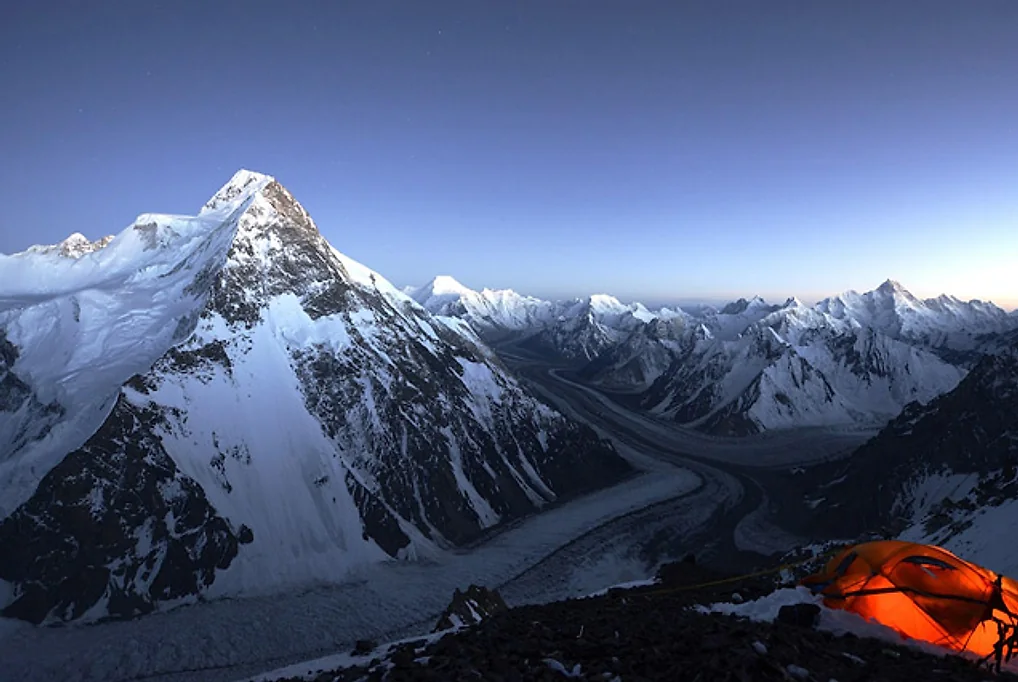
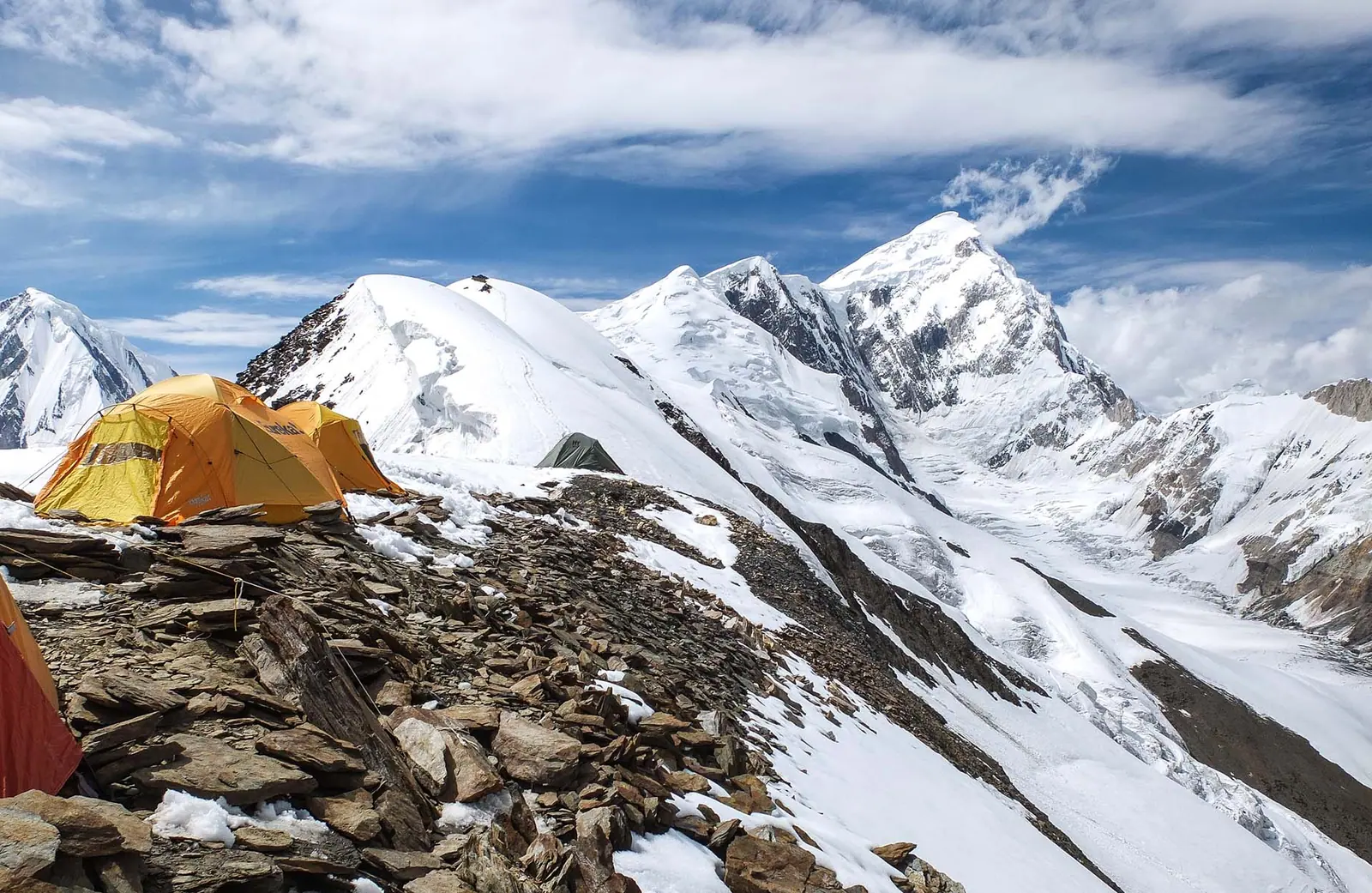
On a base camp trek you walk 5–8 hours a day, day after day for up to two weeks, on rough glacial and moraine ground, carrying only a light daypack — the porters carry the rest. It is not technical, but it is relentless: the difficulty is the repetition, not any single day.
Fitness matters, but acclimatisation matters more
The single biggest controllable factor in finishing a Karakoram trek is not your VO2 max — it is how fast you gain height, which our itineraries handle with conservative profiles and built-in rest days. Being fit buys you comfort and margin; it does not exempt you from altitude. Train hard, then let the acclimatisation plan do its job.
How to train — the base
- Long, hilly walks, back-to-back on consecutive days. If you can do a big hill day on Saturday and another on Sunday without wrecking yourself, you have the base we look for.
- Build the hours gradually over three to six months — the time on your feet, not a spike of intensity in the final weeks.
- Walk with a loaded daypack (6–8 kg) so your shoulders, back and feet get used to it.
- Mix in general aerobic work — running, cycling, swimming, stairs — but hiking on your own two feet is what transfers best.
Train your descents, not just your climbs
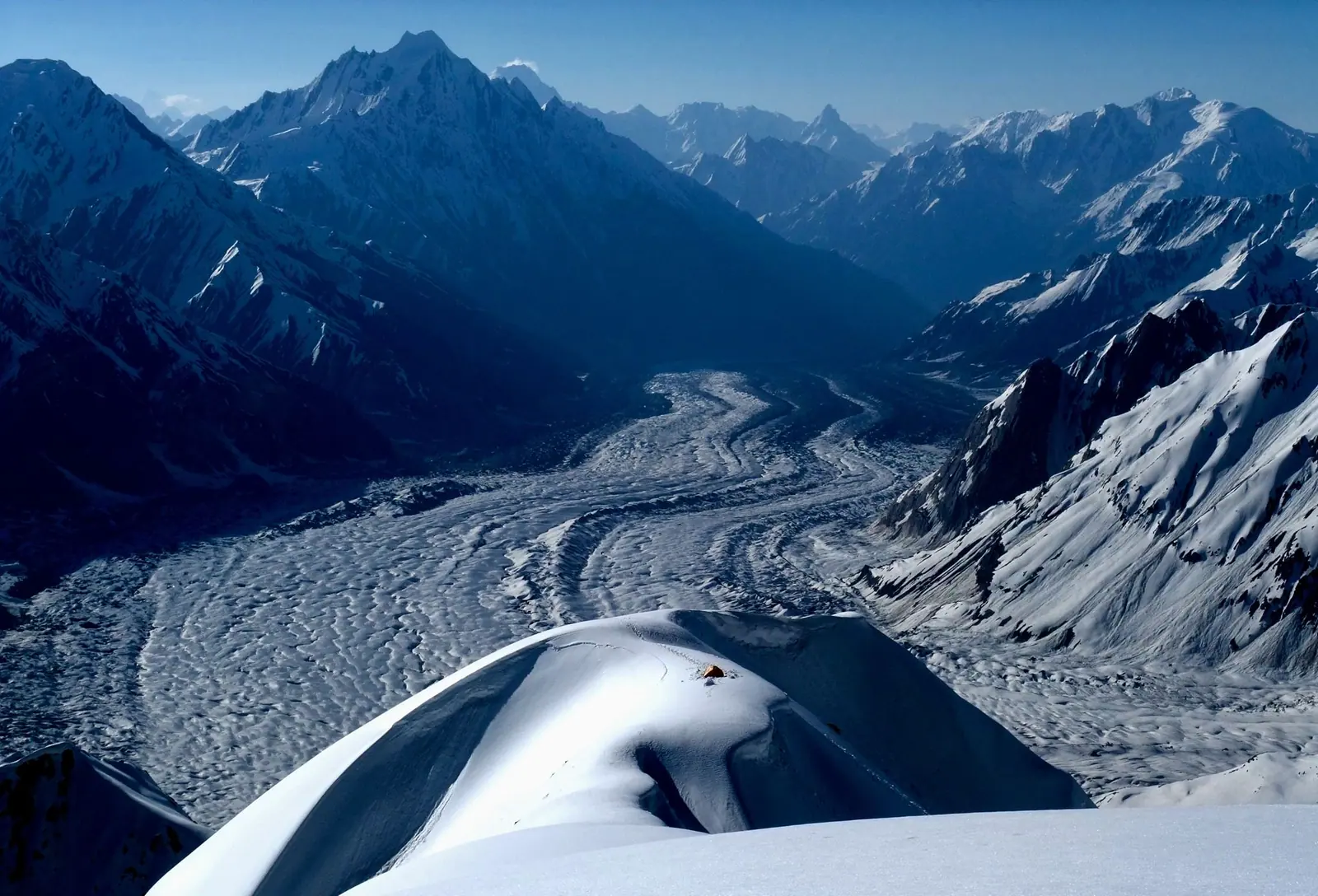
The moraine on the Baltoro and the long drops off the high passes punish knees and quads harder than the climbs do. Put downhill walking and eccentric leg strength — step-downs and controlled lunges — into your training, and plan to use trekking poles. They are the single cheapest way to save your knees on a Karakoram descent.
Treks versus expeditions
For a base camp trek, sustained hiking fitness is the whole job. For a 6,000m peak or an 8,000m expedition you need that plus genuine prior high-altitude experience and a bigger strength and endurance base — and we will ask about your climbing history before confirming those trips.
A few things not to do
- Do not leave training to the last month. Fitness built in a panic does not last two weeks on a glacier.
- Do not arrive in brand-new boots — break them in on your training walks. New boots on the Baltoro is the most common self-inflicted injury we see.
- Do not treat the first days in Skardu as a race to the trailhead. Arrive rested and hydrated.
- Do not confuse gym-strong with trail-fit — long days on your feet are the specific thing to train for.
Not sure if you are ready?
Tell us your routine and the route you are eyeing, and we will give you an honest answer — we would far rather talk you onto the right trip than watch the wrong one come apart at 4,500m. If you have the base and the time, we can point you at a sensible build-up for your departure.