Hunza Apricot & Cherry Blossom Tour
Request a quoteExplore
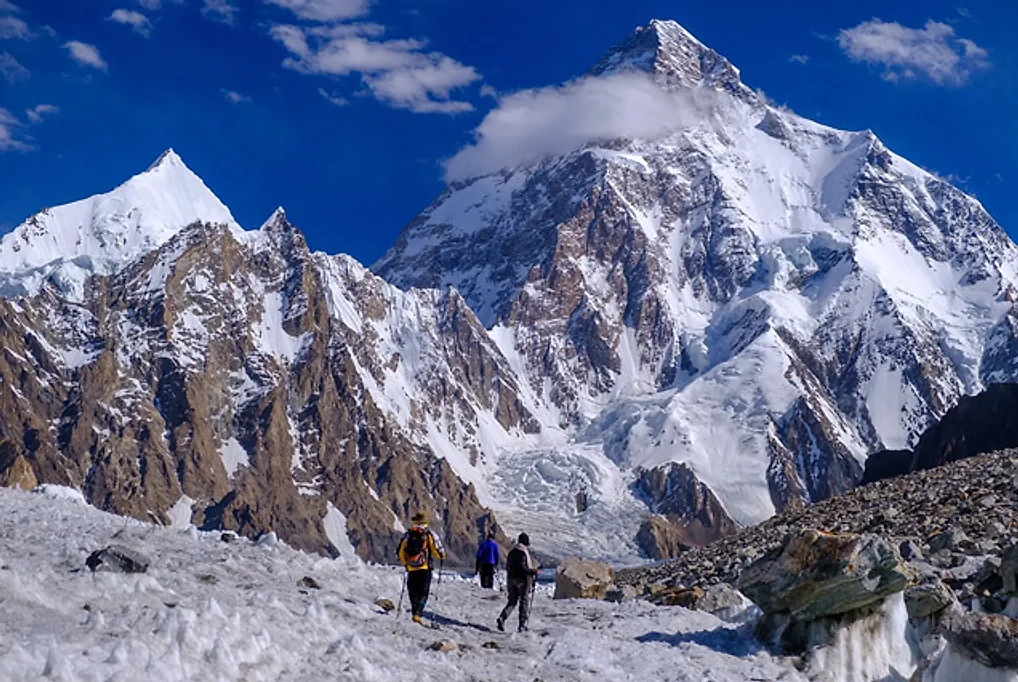
A ten-day road journey along the whole Karakoram Highway, from Taxila and the Indus gorge to Hunza and the Khunjerab Pass, tracing the Silk Road and its Buddhist past.
Per person in USD, full-board — the larger your group, the lower the per-person cost. We confirm your exact all-in figure in writing before any deposit.
| Group size | Per person |
|---|---|
| 7–10 people | $1,400 |
| 4–6 people | $1,650 |
| 1–3 people | $2,050 |
Excludes international flights, Pakistan visa, insurance, personal equipment and tips.
Guaranteed small-group dates for the 2027 season. Prefer your own dates? Every trip can also run privately inside its season window.
| 10 May 2027 → 19 May 2027 | Book this date |
|---|---|
| 10 Jun 2027 → 19 Jun 2027 | Book this date |
| 10 Jul 2027 → 19 Jul 2027 | Book this date |
| 10 Aug 2027 → 19 Aug 2027 | Book this date |
| 10 Sept 2027 → 19 Sept 2027 | Book this date |
| 5 Oct 2027 → 14 Oct 2027 | Book this date |
The Karakoram Highway (KKH) tour is a ten-day road journey along the whole road, from Islamabad through the Hazara hills and the Indus gorge to Chilas, Gilgit and Hunza, then up to the Khunjerab Pass (4,693 m) and back. It is easy in effort and built around the road itself: its engineering, Silk Road past and Buddhist heritage.
The highway follows one of the branches of the old Silk Road, the mountain route along which traders, envoys and Buddhist pilgrims once moved between the plains of the Indus and Central Asia. That past is still visible beside the modern road: the monasteries and stupas of Taxila, Ashoka's rock edicts at Mansehra, thousands of carvings on the rocks of the upper Indus around Chilas, and the Kargah Buddha cut into a cliff near Gilgit. Several are weathered and hard to read without someone to explain them.
The road is the other subject. Pakistan and China built it together, finishing in 1979 and opening it to travellers in 1986, and much of it is cut into the walls of gorges where rockfall and landslides are routine. Hundreds of workers died on the project, and over a hundred Chinese workers are buried in a cemetery in Gilgit. In 2010 the Attabad landslide drowned part of the highway in Hunza under a new lake, and a replacement section with five tunnels opened in 2015. Near Jaglot, where the Gilgit River joins the Indus, the Himalaya, Karakoram and Hindu Kush ranges are said to meet.
We drive the highway in both directions with a driver and a guide, stopping wherever there is something to see. Everything is by road and hotel-based, and the effort is sitting rather than walking: the stops are mostly short walks from the vehicle, though several days are long, and Besham and Chilas are working towns rather than resorts. The Khunjerab Pass, at 4,693 m, is the only real altitude on the trip.
The highway can be driven from April to October, and what you see changes with the month. The lower sections are hot and at times wet in mid-summer, while Hunza and the high road to Khunjerab are dependable between June and September.
10 stages over 10 days, starting and finishing in Islamabad. Routes can be shortened, extended or privately dated.
Meet your guide at the airport and transfer to your hotel. In the evening we go through the route and the weather outlook, and check kit for the cold at Khunjerab. The Karakoram Highway proper begins a little beyond Taxila, at Hasan Abdal.
An early start for Taxila, a UNESCO World Heritage Site where Buddhist monasteries and stupas stand among the ruins of successive cities. We then join the highway at Hasan Abdal and climb through the Hazara hills past Abbottabad to Mansehra, where fourteen edicts of the emperor Ashoka are cut into three boulders in Kharoshthi script, dating from the third century BCE. The road then drops to the Indus, and we spend the night at Besham.
From Besham the highway follows the Indus gorge through Kohistan, passing Pattan and Dasu, with the road cut into steep rock above the river. It is a long day of narrow sections, slow trucks and the occasional rockfall repair, so we leave early and stop for lunch on the way. We reach Chilas in the late afternoon.
In the morning we visit the rock carvings beside the Indus at Chilas, where stupas, animals, hunting scenes and inscriptions in Brahmi, Kharoshthi and Sogdian were cut by travellers and pilgrims over many centuries. Many lie in the reservoir area of the Diamer-Bhasha dam, now under construction downstream of Chilas, and will be submerged when it fills. We then drive on past the Raikot Bridge turn-off for Fairy Meadows to Jaglot, where the Gilgit River joins the Indus and the Himalaya, Karakoram and Hindu Kush are said to meet, and reach Gilgit in the afternoon.
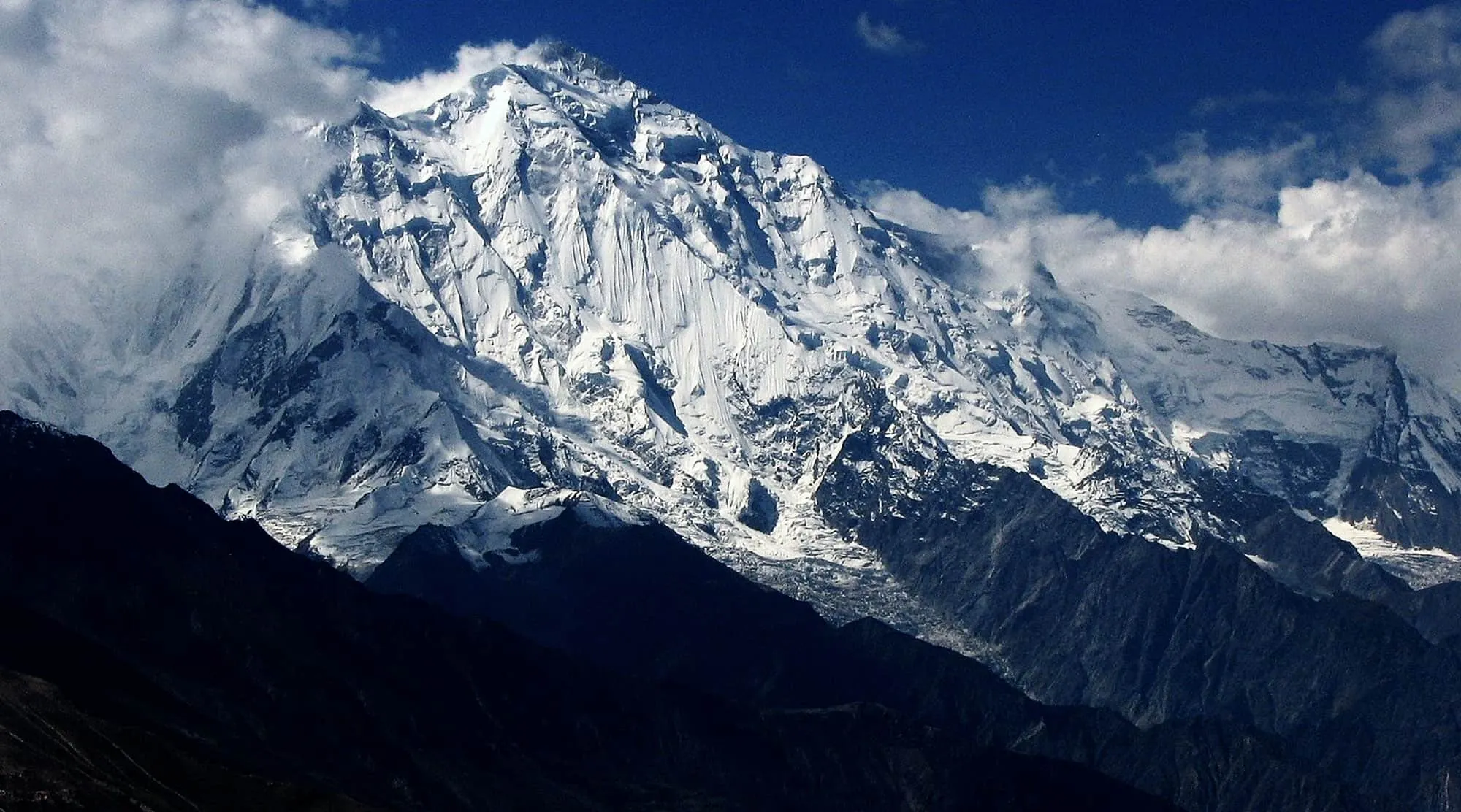
A short drive from Gilgit takes us to Kargah, about 10 km west of the town, where a Buddha is carved into the cliff, usually dated to around the seventh century. We then follow the highway up the Hunza valley to Karimabad, with a stop for Rakaposhi (7,788 m) on the way. The evening is free in Karimabad.
A morning at Baltit Fort, restored in the 1990s, and Altit Fort, the older of the two, with the bazaar between them. We then drive north to Attabad Lake, formed by the 2010 landslide, where a new section of highway with five tunnels opened in 2015, and take a short boat ride on the lake. The road continues into Gojal, and we spend the night at Passu beneath the Passu Cones.
An early start for the end of the road: through Sost, the last town before the border, and across the high pastures of Khunjerab National Park to the pass at 4,693 m, where the highway meets the Chinese frontier and continues as China National Highway 314 towards Kashgar. The air is thin and cold, so we stay a short while and then descend to Passu for the night. Snow or landslides can delay the road, and we keep the day flexible.
We retrace the road south down the Hunza valley, lunching in Karimabad and stopping again for Rakaposhi. It is a long day on the road, and we reach Gilgit in the evening with time for the bazaar.
We drive south by Jaglot and Chilas, with lunch at Chilas, and on through the Indus gorge of Kohistan to Besham. It is a long day, and an early start matters because the narrow sections are safer in daylight. Overnight in Besham.
The last stretch leaves the Indus, crosses the Hazara hills and drops to the plains, reaching Islamabad in the afternoon. We transfer to your hotel or the airport; we suggest booking international departures for the evening or later, which leaves some margin if the road has been slow.
These are the standard inclusions for our tour programmes and are confirmed in writing on your final itinerary before any payment is taken.
Many itineraries split the drive over two days, with a night at Besham or Chilas. We take three days, with nights at Besham and Chilas, so there is time for Taxila, Mansehra and the Chilas carvings without driving after dark.
Rockfall and landslides are the usual cause of delay on the highway, especially during the monsoon in July and August. Short closures are routine and the road authorities clear them; if a stretch stays shut we reorder the days where we can. The ten days have no spare day built in, so we suggest booking your flight home for the evening of Day 10 or later.
Taxila's monasteries and stupas and Ashoka's rock edicts at Mansehra on the way up, the rock carvings at Chilas, and the Kargah Buddha near Gilgit. They are mostly short walks from the road, and several are weathered, so the guide's explanation matters more than the scale of what you see.
It is the main road to Gilgit-Baltistan, in daily use by buses, trucks and local families, and its everyday hazards are practical ones: narrow sections, rockfall and long hours. Security conditions in parts of Kohistan and Diamer have varied over the years, so check your own government's travel advice and ask us for the latest before you book. Expect routine passport checks at checkpoints along the way.
This is graded easy. Most days are easy and hotel-based, with a private vehicle and only short, optional walks rather than trekking; the main demands are the long mountain drives and the thin air on any high pass or plateau. If you tell us a little about yourself we will give you an honest answer.
The season is April – October. We can also arrange a private departure on your own dates within it.
2–14. Smaller and private groups are available and often cost less per head than you would expect — ask us for a quote on your own dates.
The headline is the per-person rate for a standard group of 7–10; smaller groups pay a little more per head because fixed costs — guide, permits, liaison officer and transport — are shared across fewer people. Prices are full-board, and we confirm your exact all-in total in writing before any deposit.
No reviews yet — be the first to review the karakoram highway silk road trip.
Practical guides to help you prepare for the karakoram highway silk road trip: