Biafo Hispar Snow Lake Trek
Request a quoteExplore
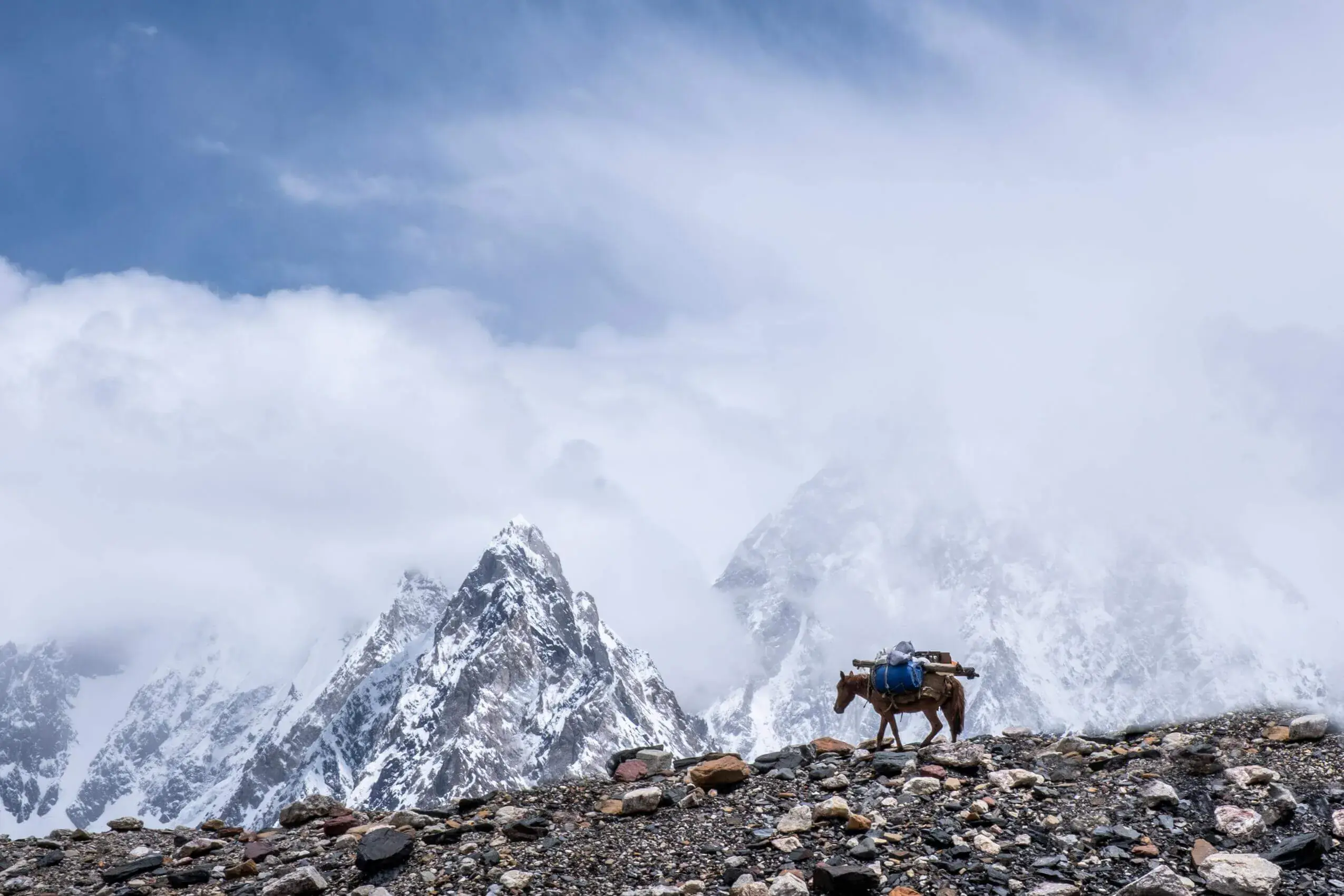
A six-day week of day walks from Karimabad in Hunza, taking in the Ultar Meadows, the Hoper valley approach to Rush Lake and Duikar sunrise, with a guesthouse bed each night and no camping.
Per person in USD, full-board — the larger your group, the lower the per-person cost. We confirm your exact all-in figure in writing before any deposit.
| Group size | Per person |
|---|---|
| 7–10 people | $1,200 |
| 4–6 people | $1,400 |
| 1–3 people | $1,750 |
Excludes international flights, Pakistan visa, insurance, personal equipment and tips.
Guaranteed small-group dates for the 2027 season. Prefer your own dates? Every trip can also run privately inside its season window.
| 5 Jun 2027 → 10 Jun 2027 | Book this date |
|---|---|
| 3 Jul 2027 → 8 Jul 2027 | Book this date |
| 31 Jul 2027 → 5 Aug 2027 | Book this date |
| 21 Aug 2027 → 26 Aug 2027 | Book this date |
| 11 Sept 2027 → 16 Sept 2027 | Book this date |
The Hunza Hiking Week is a six-day programme of day walks from Karimabad, with a comfortable bed every night and no camping. It suits fit walkers who want proper mountain days in the Karakoram, with the glacier gorge of Ultar Nala, a long day on the Nagar side towards Rush Phari, and the forts and viewpoints of Hunza in between, but who do not want to carry a pack for a week or sleep in a tent.
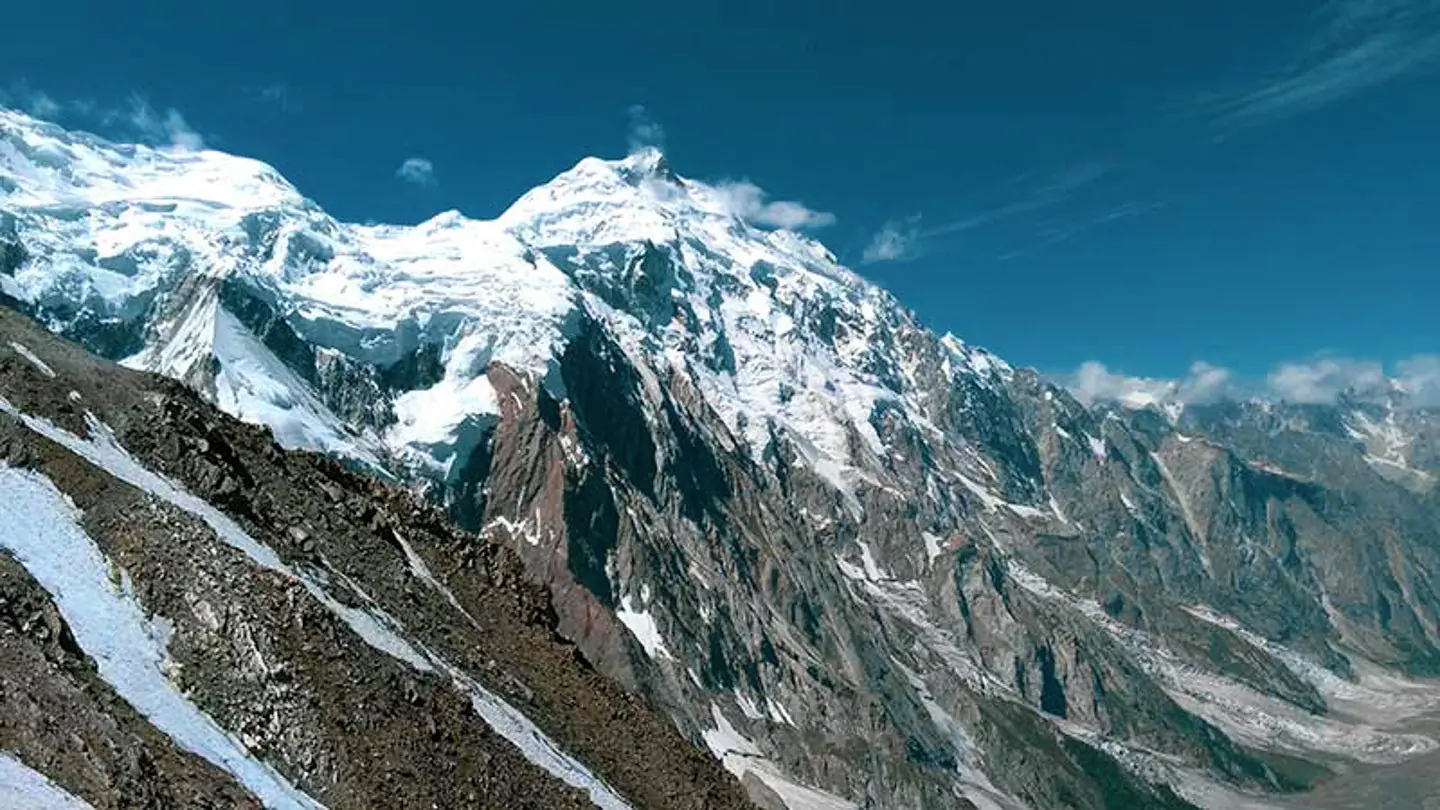
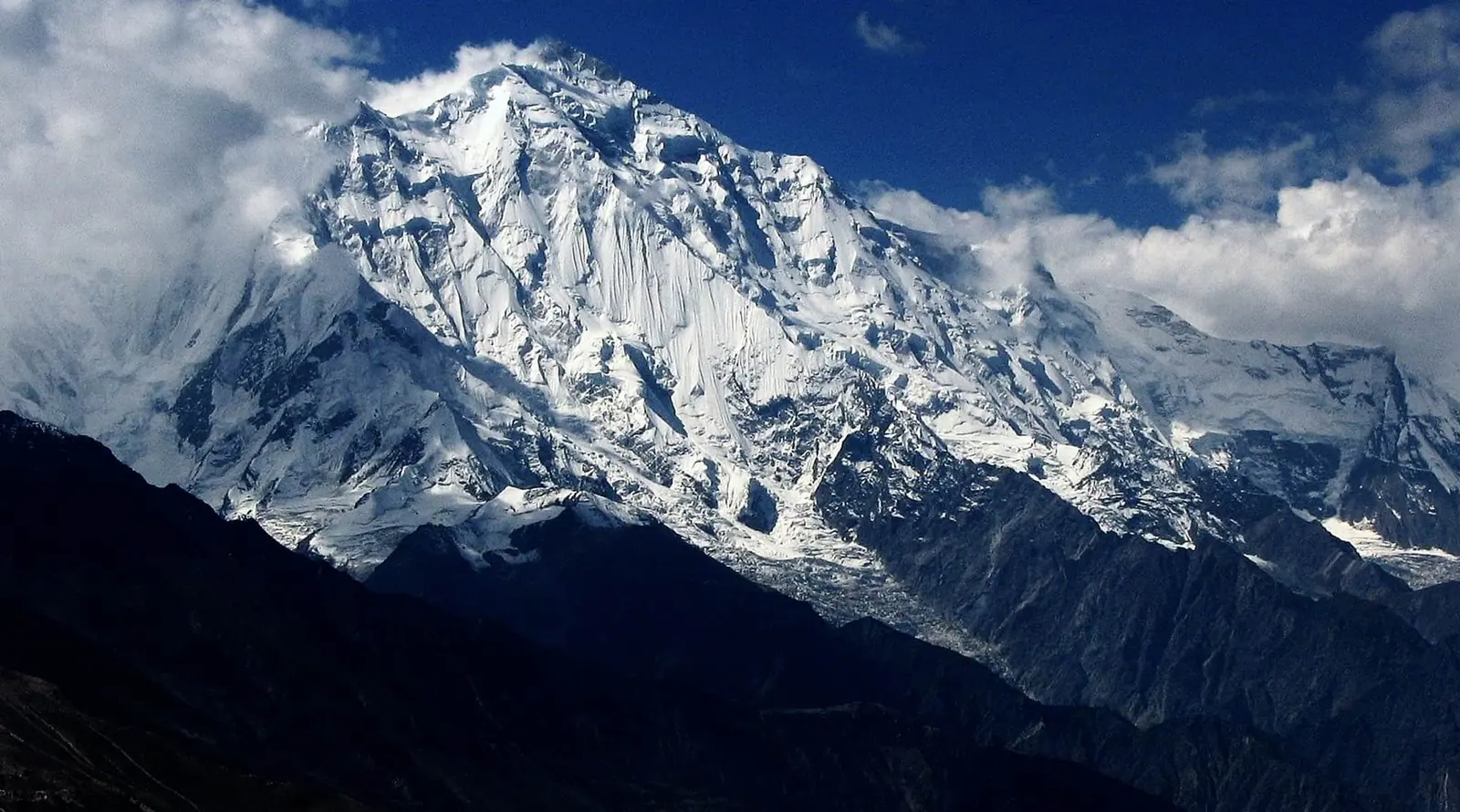
Karimabad (about 2,400 m) sits on a terrace above the Hunza river, directly under Ultar Sar (7,388 m) and across the valley from Rakaposhi (7,788 m) and Diran (7,266 m). Most of the best walks start within an hour of the town. We use that: each morning we leave the guesthouse with a day pack, walk, and are back for dinner and a hot shower. A local guide walks with you, and a vehicle takes you to the trailheads that are not reachable on foot from town.
There are three real walking days. The first is up the Ultar Nala to the Ultar Meadows, roughly 3,000 to 3,300 m, a steady climb of six to eight hours there and back, with close views of Ultar Sar and its glacier. The second, on the Nagar side, is the longest of the week: we drive to Hoper and walk up the Barpu valley towards Barichokore (about 3,300 m), the first camp on the route to Rush Lake, going as far as the group's pace and the weather allow. Between them are gentler days, including sunrise from the Eagle's Nest at Duikar and the old forts of Baltit and Altit, which also help your body get used to the altitude.
To be clear about Rush: Rush Lake itself (about 4,700 m) and Rush Phari (5,098 m) are not day hikes. Reaching them is a multi-day camping trek with a high camp at about 4,440 m, which we run separately as our Rush Lake Trek. This week gets you onto the lower approach and into the same landscape of the Barpu and Bualtar glaciers, and if you want to go further we can arrange an optional night in tents at Barichokore, which turns the long day into two shorter ones. We grade the week Moderate: the paths are clear and nothing is technical, but the Ultar and Barichokore days are long, the ground is steep and loose in places, and you will be walking at 3,000 m and above. Weather decides the order of the week. Cloud, rain or a swollen stream can close a route for a day, so Day 5 is kept deliberately light and acts as a reserve: if a walk has been lost to the weather we use it to make up the day, and if not, it is an easy day in the village orchards and old settlements.
The week runs from May to October. The Ultar and Hoper paths are usually clear of snow from late May, and the valley is at its best in the shoulder months, when the air is cooler and the views are longer.
6 stages over 6 days, starting and finishing in Karimabad (Hunza). Routes can be shortened, extended or privately dated.
You arrive in Karimabad (about 2,400 m), a drive of roughly two hours from Gilgit, in time for lunch. After a rest we take a short, easy walk through the old lanes below Baltit Fort and along the village channels, to stretch your legs and start getting used to the height. In clear weather the evening light on Rakaposhi and Ultar Sar is worth waiting for. We check your boots and day-pack kit and talk through the week before dinner at the guesthouse.
A pre-dawn drive of about 30 to 40 minutes up the hill road to Duikar, the ridge above Karimabad at about 2,900 to 3,000 m, known for the Eagle's Nest viewpoint. At first light the sun reaches Rakaposhi, Diran, Ladyfinger Peak and the line of peaks along the valley. After breakfast back in Karimabad we visit Baltit Fort, the restored old seat of the Mirs of Hunza, then walk about an hour down the old path to Altit Fort, the older of the two, and its village on the edge of the gorge. The walking is easy and mostly downhill, with a vehicle on hand for the return.
The first proper walk. We leave from the top of Karimabad and follow the path up the Ultar Nala, the gorge that drains the Ultar Glacier, climbing steadily through apricot terraces, then open scree and birch, to the Ultar Meadows at roughly 3,000 to 3,300 m. The ascent is about 800 m and the day takes six to eight hours there and back, depending on pace and how long we stay at the top. Ultar Sar (7,388 m) stands directly above the meadows, with Ladyfinger Peak to the north. Parts of the path are steep, and the gorge is exposed to rockfall and carries more water in the afternoon, so we start early and may turn back lower if conditions are poor. We take a packed lunch and are back in Karimabad by late afternoon.
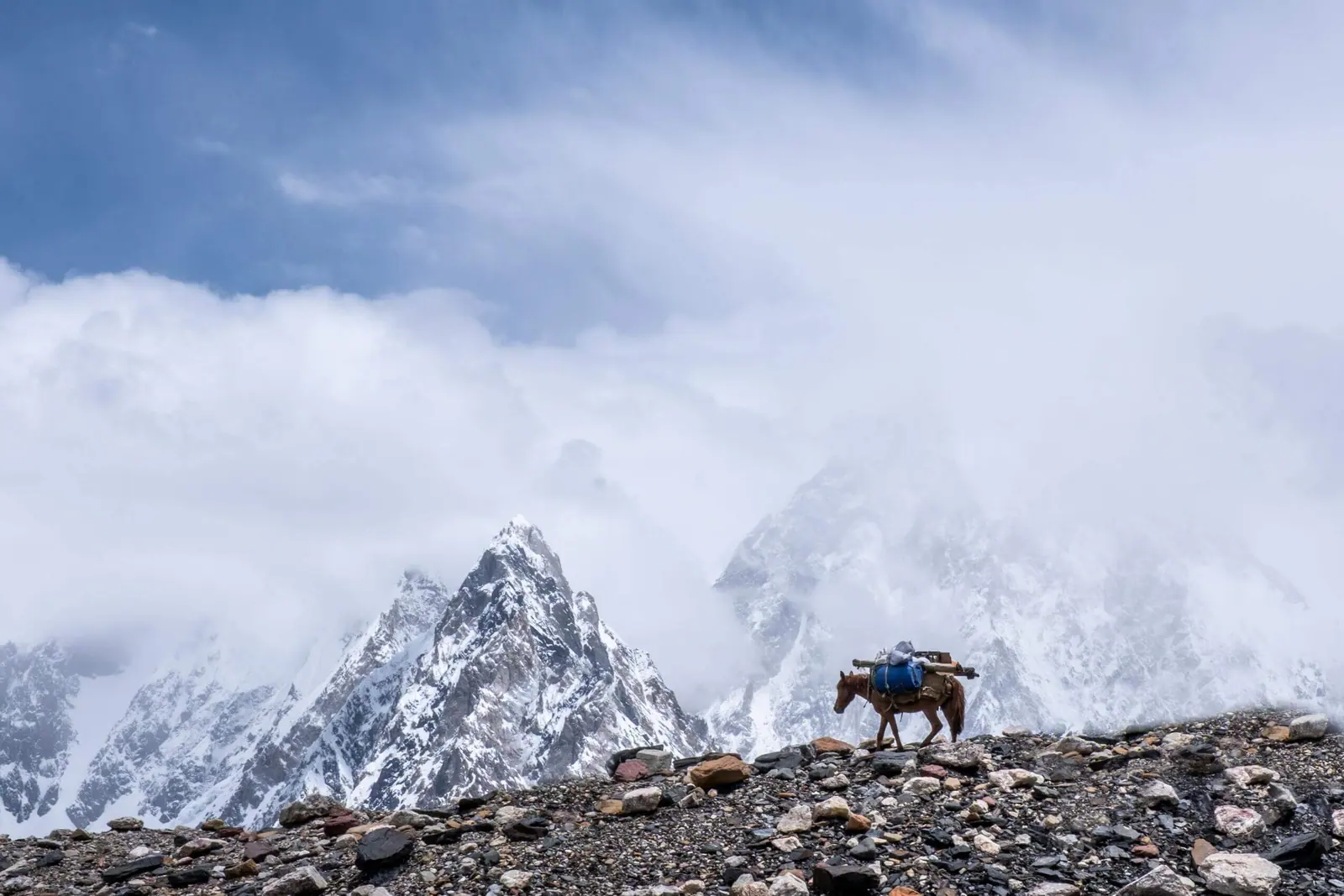
The longest day of the week, on the Nagar side. We drive about an hour across the river and up to Hoper, in the Nagar valley, near where the Barpu and Bualtar glaciers meet, and walk up the Barpu valley on the old trekking route towards Barichokore (about 3,300 m), the first camp on the way to Rush Lake. Our Rush Lake Trek puts this section at about five hours on the way up. The path crosses moraine and loose ground beside the glacier, so progress is slower than the distance suggests. We set a turn-round time at the start and go to Barichokore only if the group is strong and the weather good; otherwise we stop at a high viewpoint lower down. Expect seven to nine hours on foot and a return to Karimabad in the evening. If you would like to go on, ask us about the optional night in tents at Barichokore.
A lighter day, and the week's reserve against the weather. If a walk was lost earlier, we use today to repeat it. Otherwise we walk the lower village paths: Ganish, one of the oldest settlements in Hunza, with its carved wooden mosque and old stone houses, then the orchards and irrigation channels above the river, with time for the Karimabad bazaar, tea and a rest for your legs. This is an unhurried day of about three to four hours of easy walking.
After breakfast we transfer you from Karimabad towards Gilgit for your onward flight or drive. The road runs for about two hours down the Karakoram Highway; flights and the highway can both be delayed by weather or landslides, so we advise leaving a day in hand before an international flight.
These are the standard inclusions for our trekking programmes and are confirmed in writing on your final itinerary before any payment is taken.
You should be comfortable walking six to eight hours with a day pack on steep ground, two or three days in the week. The paths are clear and there is no technical climbing, but the Ultar Meadows day climbs about 800 m and the Hoper day is the longest of the week. If you can do a full day's hill walking at home on consecutive days, you should manage it. We grade the week Moderate.
No. Rush Lake (about 4,700 m) is a multi-day camping trek with a high camp at about 4,440 m, and it cannot be done as a day hike from Karimabad. This week walks the lower approach from Hoper towards Barichokore (about 3,300 m) and shows you the same glaciers and valley. If you want the lake itself, see our Rush Lake Trek.
No. You stay in a guesthouse or hotel in Karimabad every night and walk with a day pack. The one exception is the optional night in tents at Barichokore on Day 4, which we can arrange if the group wants to go further; it is not part of the standard programme and can be requested at booking.
Karimabad is at about 2,400 m and the highest point of the week is about 3,300 m, so most people are fine. The first two days are easy and help you adjust. Some people still notice a mild headache or poor sleep, so drink plenty of water, tell your guide early if you feel unwell, and we will shorten or turn back.
Rain or cloud can make the Ultar gorge and the Hoper moraine unsafe, and swollen streams can close them. Day 5 is kept as a reserve for that reason, and your guide may also swap days around in the week. If a walk is lost despite this, we offer a lower alternative the same day.
Karimabad is about two hours by road from Gilgit, which has flights from Islamabad in good weather, and the Karakoram Highway is the alternative. We can arrange the transfer. Bring broken-in walking boots, a waterproof jacket, warm layers for the early starts at Duikar and above 3,000 m, a sun hat, sunscreen and trekking poles if you use them.
This is graded moderate. You should be comfortable walking for several hours a day, on rough ground, across 6 Days. Porters carry the main loads; you carry a light daypack. If you tell us a little about yourself we will give you an honest answer.
The reliable window is May – October. Outside that, conditions on the route make it either unsafe or not worth the money. We can run private departures on any dates inside that window.
2–14. Smaller and private groups are available and often cost less per head than you would expect — ask us for a quote on your own dates.
The headline is the per-person rate for a standard group of 7–10; smaller groups pay a little more per head because fixed costs — guide, permits, liaison officer and transport — are shared across fewer people. Prices are full-board, and we confirm your exact all-in total in writing before any deposit.
No reviews yet — be the first to review the hunza hiking week.
Practical guides to help you prepare for the hunza hiking week: