Kalash Festival Tour
Request a quoteExplore
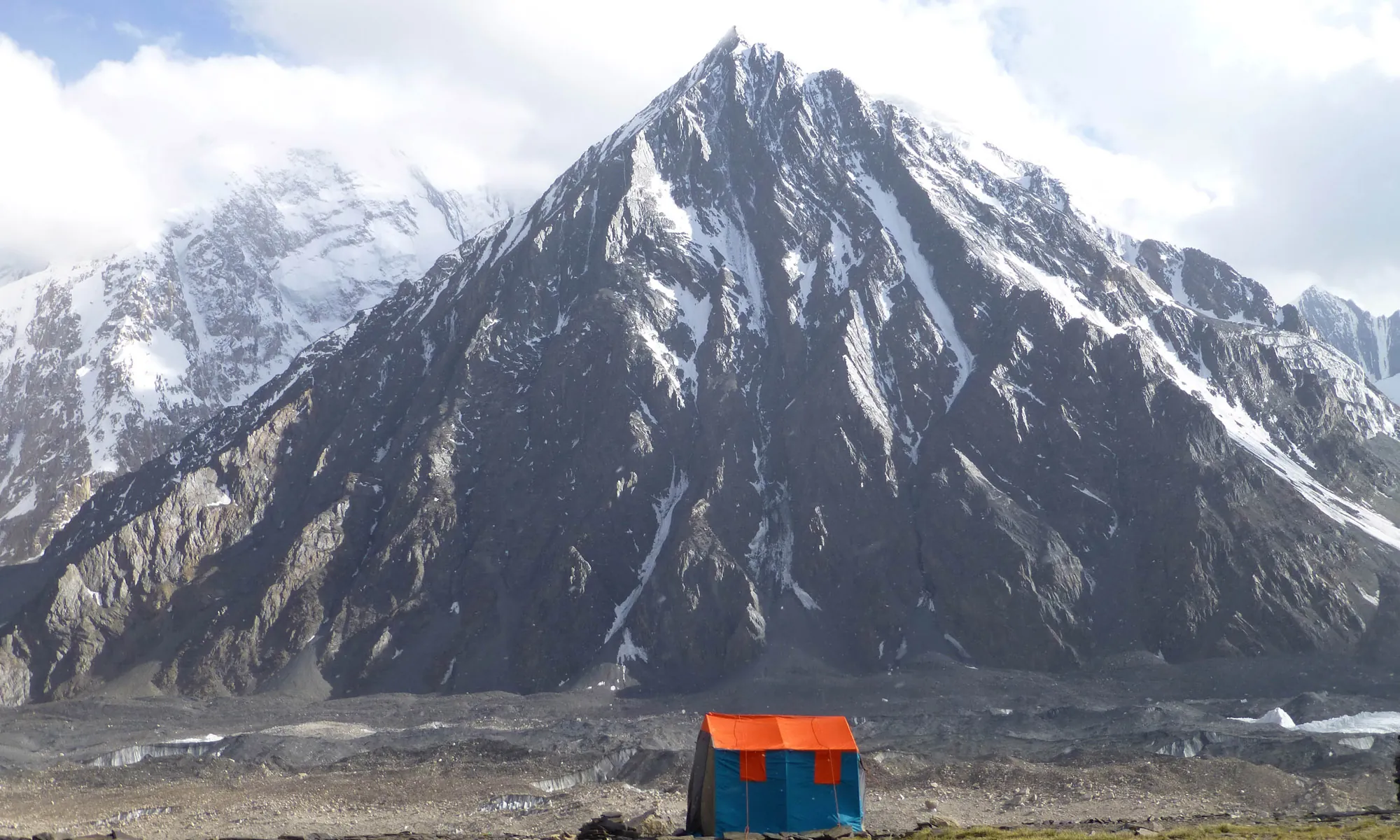
A ten-day trip to the Shandur Polo Festival, where Chitral and Gilgit teams play freestyle polo at about 3,700 m, with camping on the plateau and the road over the pass.
Per person in USD, full-board — the larger your group, the lower the per-person cost. We confirm your exact all-in figure in writing before any deposit.
| Group size | Per person |
|---|---|
| 7–10 people | $1,750 |
| 4–6 people | $2,050 |
| 1–3 people | $2,550 |
Excludes international flights, Pakistan visa, insurance, personal equipment and tips.
Guaranteed small-group dates for the 2027 season. Prefer your own dates? Every trip can also run privately inside its season window.
| 14 Jun 2027 → 23 Jun 2027 | Book this date |
|---|---|
| 28 Jun 2027 → 7 Jul 2027 | Book this date |
The Shandur Polo Festival Tour is a ten-day journey from Islamabad to the Shandur Pass, around 3,700 m, timed for the festival where Chitral and Gilgit teams play freestyle polo. It follows the summer-only road between Chitral and Gilgit and includes several nights of camping on the plateau, so it suits travellers who accept rough roads and cold nights.
Polo has been played in these mountains for centuries, and the freestyle game at Shandur keeps far fewer of the rules of the modern sport. Each summer the plateau hosts a few days of matches between teams from Chitral and Gilgit, on what is billed as the world's highest polo ground. Thousands of spectators watch from the hillside, and there is folk music, dancing and local food around the field.
We approach from the Chitral side so that the climb is gradual. After a day in Chitral we follow the river valley north through Booni to Mastuj, spend a night at Mastuj or in the Laspur valley, and drive up to the plateau in time for the opening matches. After the final we cross to the Gilgit side, down the Ghizer valley to Phander and on to Gilgit, and fly or drive out to Islamabad.
This is a cultural trip with a high-altitude camp, not a trek. Much of the trip is spent in a vehicle and the walking is short; the effort lies in the height, the cold and the rough road. The road over the pass is unsurfaced in its upper sections and open only in summer. Facilities on the plateau are basic and the crowds are large, so patience helps. The sun is strong at 3,700 m and the nights are cold, so pack warm layers.
The festival sets the dates, and they move from year to year. It has traditionally been held in early July, but in recent years it has been brought forward into June, and one edition was postponed because of weather. The Khyber Pakhtunkhwa and Gilgit-Baltistan governments set the dates, often only a few weeks ahead, so we confirm your departure once they are announced.
10 stages over 10 days, starting and finishing in Islamabad. Routes can be shortened, extended or privately dated.
Fly from Islamabad to Chitral in the morning, about an hour if the weather allows, or take the road through Dir and the Lowari Tunnel, which takes a full day. Afternoon or evening in Chitral, with a short walk by the river and, if the cloud lifts, a first view of Tirich Mir (7,708 m).
A deliberately easy day. We visit Chitral Fort, also called the Shahi Qila, and the Shahi Mosque above the river, then walk through the bazaar. This is the day we trim if the journey from Islamabad ran late.
North up the Chitral river valley through Booni to Mastuj, on a road that narrows and roughens as it climbs. We spend the night at Mastuj or in the Laspur valley, depending on where rooms are available, which puts us higher before the pass.
We leave early and drive up the Laspur valley to the Shandur plateau at around 3,700 m, in time for the opening matches. We set up camp near the ground and spend the day watching, drinking plenty of water and moving slowly. The organisers set the programme, so the running order is confirmed on the day, and the night will be cold.
A full day at the polo ground. Matches run through the day, with thousands of spectators on the hillside and folk music and dancing around the field. Between matches there is time to walk on the plateau; keep a layer, a hat and sun protection to hand, as the weather can change quickly.
The last matches, including the final, and the closing ceremony. This is our third night at around 3,700 m, so we keep the pace slow and the warm layers close.
We break camp and drive down the Gilgit side of the pass into the Ghizer valley, about two to three hours to Phander. After the crowds on the plateau, a quiet afternoon and an early night.
Down the Ghizer valley through Gupis and Gahkuch to Gilgit, a drive of about five to six hours. If there is time, the Kargah Buddha rock carving near Gilgit; otherwise an evening in the bazaar.
Fly to Islamabad in the morning, about an hour if the weather allows. If the flight is grounded, the fallback is two days on the Karakoram Highway with a night at Chilas, which turns Day 10 into the arrival day.
A last morning in Islamabad or Rawalpindi before your transfer to the airport. If there is time, the Faisal Mosque is the simplest stop.
These are the standard inclusions for our tour programmes and are confirmed in writing on your final itinerary before any payment is taken.
It was traditionally held in early July, but in recent years it has been brought forward into June, and one edition was postponed because of weather. The Khyber Pakhtunkhwa and Gilgit-Baltistan governments set the dates, often only a few weeks ahead, so we confirm your departure once they are published.
The pass and the polo ground are at around 3,700 m. We climb in stages, with a night at Mastuj or in the Laspur valley first, but people react to height unpredictably and headaches and poor sleep are common on the first night, so tell your guide early if you feel unwell; going down is the usual remedy. If you have a medical condition or any concern, ask your doctor before you book.
Basic: we camp on the plateau near the polo ground, where facilities are limited, the wind can be strong and the nights are cold, close to freezing at times even in summer. A warm sleeping bag, a down jacket, a hat and gloves and sun protection are all worth packing, and we confirm what is supplied when you book.
The road over the pass is rough and unsurfaced in its upper sections and open in summer only, so we use 4x4 vehicles. A landslide or late snow can close it for a time, and the flights at either end depend on the weather, so the first and last days are built to absorb a delay, with the Karakoram Highway as the fallback from Gilgit.
This is graded moderate. Most days are easy and hotel-based, with a private vehicle and only short, optional walks rather than trekking; the main demands are the long mountain drives and the thin air on any high pass or plateau. If you tell us a little about yourself we will give you an honest answer.
The season is June – July. We can also arrange a private departure on your own dates within it.
2–14. Smaller and private groups are available and often cost less per head than you would expect — ask us for a quote on your own dates.
The headline is the per-person rate for a standard group of 7–10; smaller groups pay a little more per head because fixed costs — guide, permits, liaison officer and transport — are shared across fewer people. Prices are full-board, and we confirm your exact all-in total in writing before any deposit.
No reviews yet — be the first to review the shandur polo festival tour.
Practical guides to help you prepare for the shandur polo festival tour: