Yes, you need proper insurance before you trek or climb in Pakistan, and the single most important part is cover for helicopter evacuation at the altitude you will actually reach. Most of our routes are days from a road, so a serious illness or injury is solved by a helicopter or not at all. A standard holiday policy often will not do this, so read the wording before you buy.
Do you need special insurance for trekking in Pakistan?
In most cases, yes. Standard holiday policies commonly exclude trekking above a set altitude, mountaineering equipment, or emergency evacuation from remote terrain. Choose a policy built for high-altitude trekking or expeditions, confirm it covers the highest point on your itinerary, and check that it includes helicopter rescue and repatriation. We ask every guest for proof of cover.
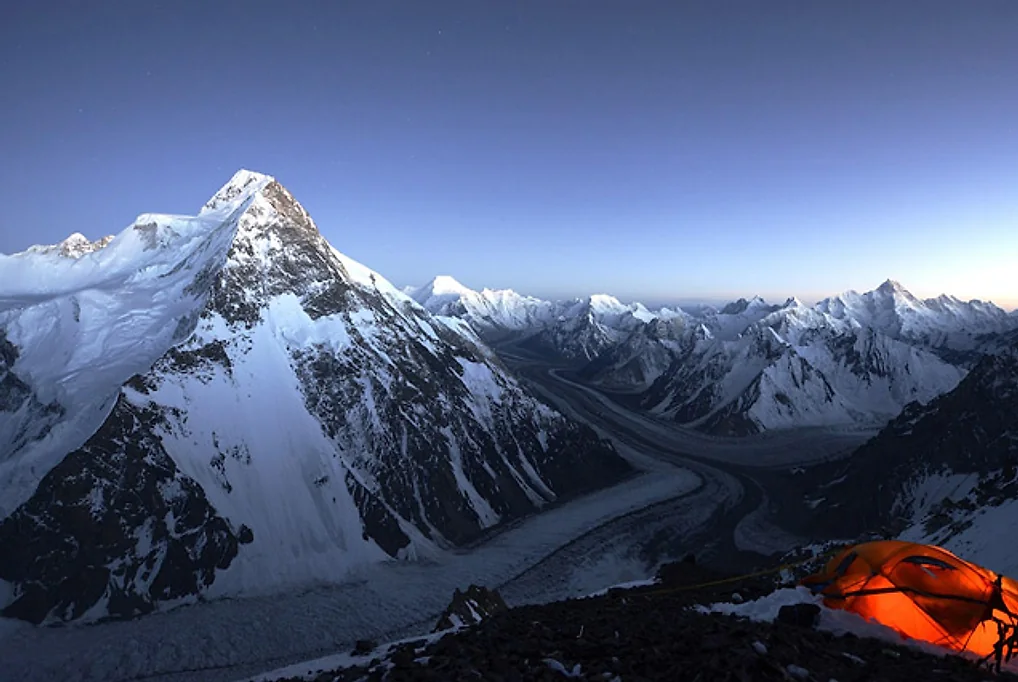
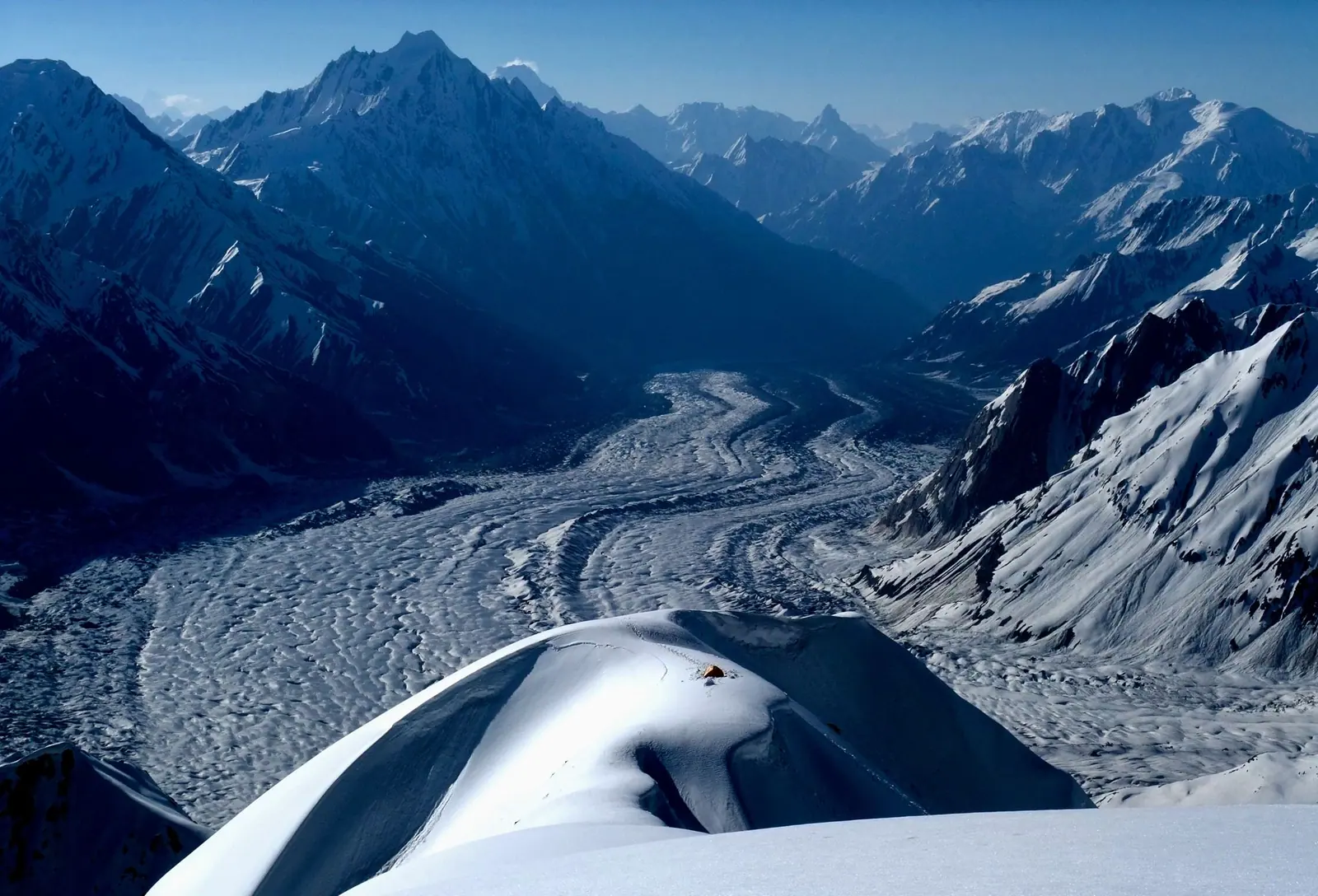
The reason is simple geography. On the K2 Base Camp trek you walk for many days up the Baltoro Glacier with no road, no hospital and no mobile signal for much of the way. On Nanga Parbat the walk is shorter, but the terrain is still steep and remote. If something goes seriously wrong, the realistic way out is by air, and someone has to pay for that flight.
Insurance is also not a substitute for judgement. A policy pays for a rescue; it does not make a bad decision safe. That is why the rest of this guide covers both the paperwork and what we do on the ground. If you are still at the early planning stage, our guide to [planning your first trek in Pakistan](/blog/planning-your-first-trek-in-pakistan) sets out the wider picture.
What your policy must cover
Your policy should include emergency medical treatment, helicopter evacuation from remote terrain, cover for the maximum altitude of your route, repatriation to your home country, and ideally trip cancellation. Each item answers a different failure. The table below sets out why each one matters and what to look for in the policy wording.
| Cover | Why it matters | What to check |
|---|---|---|
| Emergency medical | Treatment in Skardu, Islamabad or abroad can be costly | No low cap; covers hospital stays and doctors |
| Helicopter evacuation | Often the only way out of the mountains | Named explicitly; covers remote or off-road rescue |
| Altitude cover | Many policies stop at a set height | Limit is above your trip's highest point |
| Repatriation | Getting you home after serious illness or injury | Medical escort and flights included |
| Trip cancellation | Flights and fees are paid well ahead | Covers illness, injury and family emergencies |
Two details catch people out. The first is the activity definition: some policies call anything above a certain altitude or involving crampons 'mountaineering' and exclude it unless you buy an extension. The second is the evacuation clause: it may only apply if the insurer's own assistance team authorises the flight, or it may exclude flights requested by someone on the spot. Read both carefully, and ask the insurer in writing if the wording is unclear.
We cannot recommend a particular insurer or policy, and the exact altitude limits and exclusions differ between providers and between policy tiers. Treat this guide as a checklist of questions, not a product recommendation. Keep a copy of your policy number and the insurer's 24-hour emergency line with you on the trek, and leave another with a family member at home.
How helicopter rescue works in the Karakoram
Rescue in the Karakoram usually means a military or charter helicopter, flown only when weather and visibility allow. A request typically goes through us in Skardu to the relevant authorities and your insurer. The operator often wants a financial guarantee from your insurer or a deposit before flying, which is why evacuation cover is essential.
Several things shape how fast it happens. Mountain weather can close the sky for a day or more, and flights generally depend on daylight and clear conditions. Landing is possible only at suitable open ground, so a casualty sometimes has to be carried or moved to a pick-up point first. The helicopter normally flies to Skardu, where a hospital can stabilise the patient before any onward journey to Islamabad or abroad.
This is the honest part: a rescue is not a taxi that arrives on demand. It can take hours or days, and on the highest peaks it may not be possible at all above certain heights. That is why prevention, early recognition and a prompt decision to descend matter more than any policy. Insurance makes the evacuation payable; it does not make it instant.
Payment is where trekkers are most surprised. The operators will usually want to know who is paying before the aircraft leaves, so a policy with an emergency assistance line that can issue a guarantee quickly saves precious time. If you plan to rely on paying yourself, understand that you would need to arrange the funds at the moment of crisis. Most people find insurance far simpler.
Why altitude cover matters
Altitude cover matters because many policies only cover trekking up to a stated height, and an illness above that line may not be paid. Match the limit to the highest point of your own route, not the average. A K2 Base Camp trek, a Nanga Parbat base camp walk and a 7,000-metre peak each need a different level of cover.
On the K2 Base Camp trek you spend days above 4,000 metres and reach the foot of K2 itself, well into the range where altitude illness is a real risk. Nanga Parbat Base Camp sits lower than that, but still high enough that you should not assume a basic policy applies. Spantik Peak is a true mountaineering objective above 7,000 metres, where you will almost certainly need an expedition-grade policy with climbing and equipment cover.
If you are adding a high pass such as the Gondogoro La, check whether the pass itself is covered, since it is higher than the base camp. When you buy, tell the insurer the exact route and the highest altitude, and keep the confirmation. A policy bought for a general 'trekking holiday' can be quietly void for the one day that matters. Our guide to [altitude and acclimatisation in the Karakoram](/blog/altitude-acclimatisation-karakoram) explains why those higher days carry the most risk.
For the trekking routes, our prices start from $2,300 per person on K2 Base Camp and from $1,050 on Nanga Parbat Base Camp, and fall as the group gets larger. The Spantik Peak expedition starts from $6,000. Insurance is not included in any of these, so budget for it separately. Our [cost guide](/blog/cost-of-trekking-and-expeditions-in-pakistan) shows what else to allow for.
What we do to reduce the risk
We reduce the risk through a sensible acclimatisation schedule, guides trained to recognise altitude illness, reliable communications, and a clear evacuation plan agreed before we leave Skardu. We would rather turn around early than evacuate late. Good planning cannot remove every risk, but it removes most avoidable ones.
- Acclimatisation built into the itinerary, with rest days and a pace that lets the slowest person in the group keep up rather than the fastest.
- Guides who know the early signs of altitude illness, check on guests each day, and will make the call to stop or descend. That decision is not up for debate.
- Communications planned before departure, including a satellite or other reliable means of contact on the glacier where the mobile network does not reach.
- An evacuation plan agreed in advance: who calls whom, where a helicopter can land, and the fastest route to a pick-up point.
- Careful screening of weather and route conditions, and a willingness to change plans, delay a day or turn back.
- Porters and staff who are properly equipped and cared for, which matters on a long trek. See our guide on [what porters carry](/blog/what-porters-carry).
Our guides are based in Skardu and know these valleys because they grew up in them. We are licensed with the Department of Tourist Services (DTS No. 008), and we run every trip ourselves, with no middlemen between you and the people responsible for your safety. If something does go wrong, the person organising your rescue knows the terrain and the local authorities personally.
You also have a part to play. Tell your guide at once if you have a headache, nausea, or unusual breathlessness, and do not hide symptoms to stay on schedule. Drink plenty of water, follow the pace, and be honest about how you feel. Our [fitness guide](/blog/fitness-and-training-for-a-karakoram-trek) will help you arrive in better shape, which is the cheapest form of insurance there is.
Plan this with us
If you are unsure whether your policy fits your route, send us the itinerary and the wording and we will tell you what to ask the insurer. We will not sell you cover, but we can say plainly whether a given altitude and activity is likely to be an issue. Start with the trip you have in mind.