Fairy Meadows is a high alpine meadow set among pine forest directly across from the north face of Nanga Parbat. You reach it from the Karakoram Highway by driving to Raikot Bridge, taking a jeep up a mountain road to Tato, then walking or riding a pony for the final stretch. It is best visited from early summer into early autumn, and most people stay one or two nights in simple wooden huts or tents.
We run Fairy Meadows trips from Skardu with local guides, and this guide covers what we tell every guest before they book: how the access works, when the weather allows it, where you sleep, what you can do and what it costs.
What is Fairy Meadows and where is it?
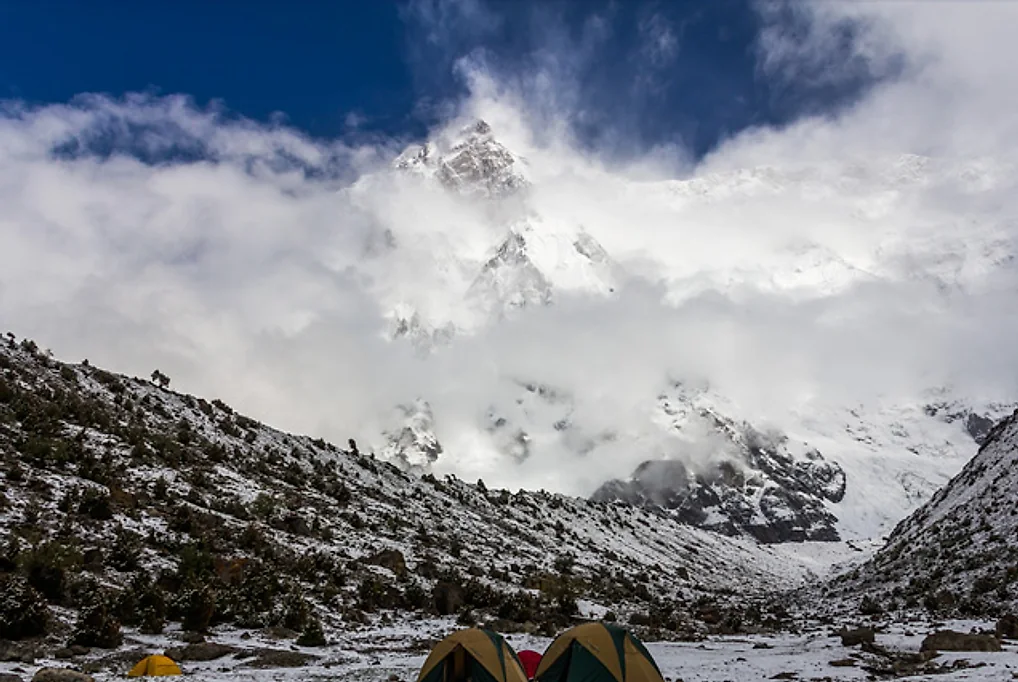
Fairy Meadows is a grassy plateau in the Diamer district of Gilgit-Baltistan, in a clearing among pine forest at roughly 3,000 metres. It faces the Raikot side of Nanga Parbat, the ninth-highest mountain in the world. The meadow is the usual starting point for the Nanga Parbat base camp trail.
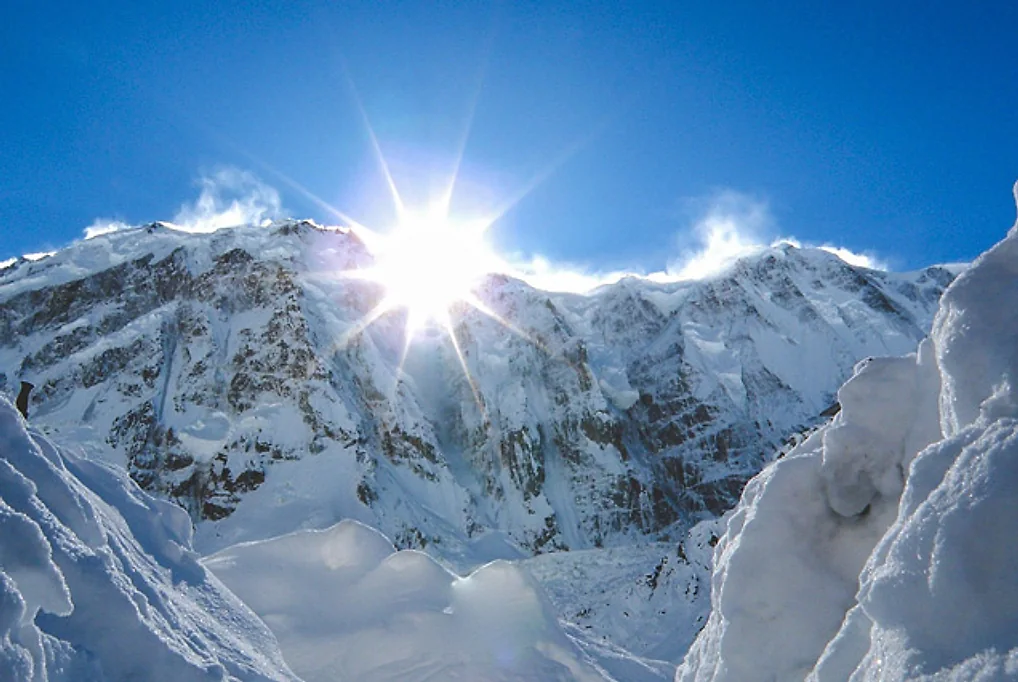
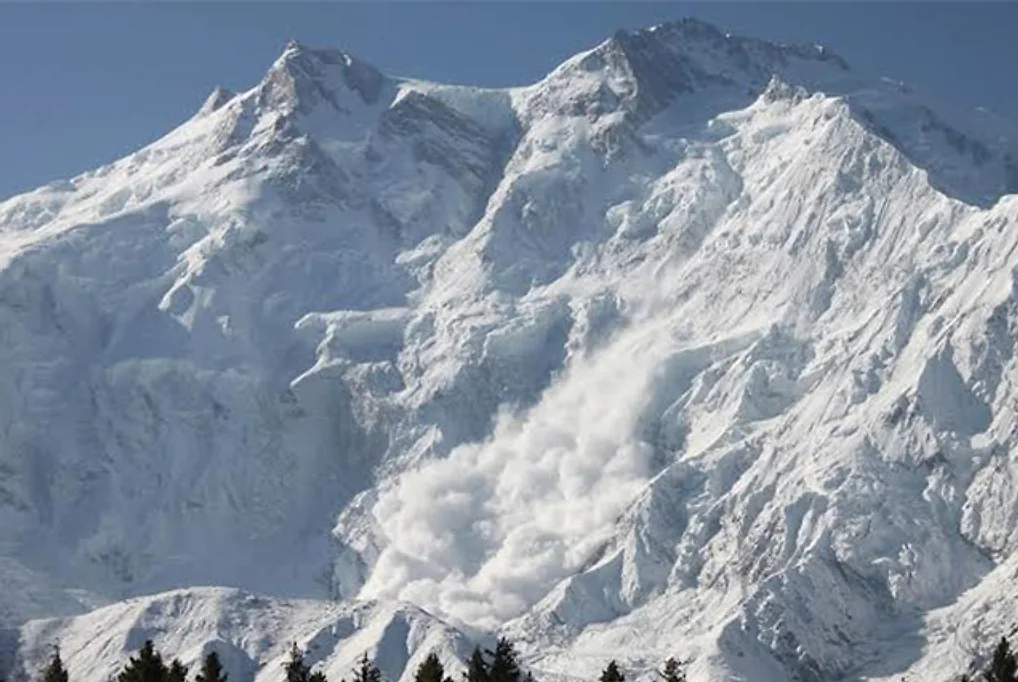
The setting is the appeal. The meadow is flat enough to walk around easily, the forest gives shelter, and Nanga Parbat rises directly above it, often described by climbers as one of the largest vertical drops in the Himalaya and Karakoram. On a clear morning the whole north face is visible from the doorstep of your hut. There is no road to the meadow itself and no mains electricity, which is a large part of why it feels so remote for a place so close to the highway.
Fairy Meadows sits on the Raikot (north) side of the mountain. The Rupal face, on the opposite southern side, is reached from a different valley and is a much longer trek. If you want that side, our Rupal Face and Mazeno La route is a separate and far more demanding journey. If you are new to the region, our overview of the five giants in the 8000m peaks of Pakistan guide shows where Nanga Parbat sits among them.
| Item | Detail |
|---|---|
| Getting there | KKH to Raikot Bridge, jeep to Tato, then walk or pony |
| Best season | Early summer to early autumn; snowbound otherwise |
| Altitude (approx) | About 3,000 m at the meadows |
| Stay | Wooden huts or camping at the meadows |
| Typical length | Short trek of a few days; longer with base camp |
| From price | From $750 per person (fairy-meadows-short-trek) |
How do you get to Fairy Meadows?
You leave the Karakoram Highway at Raikot Bridge and take a four-wheel-drive jeep along a narrow mountain road to the village of Tato. From Tato, the final stretch to the meadows is on foot, or by pony if you prefer, through forest and along the hillside. Most guests allow the better part of a day for the full approach.
The first leg is the Karakoram Highway. Raikot Bridge is a roadside stop on the highway, so you arrive there by road from Chilas, Gilgit or Skardu depending on where you are starting. From Skardu it is a long day by road, and it fits naturally into a journey that continues to Hunza. If you are combining the two regions, our Hunza and Fairy Meadows combination does exactly that.
The second leg is the jeep road to Tato. This is a famous and very narrow mountain track cut into the hillside, with steep drops on one side. It is driven every season by local drivers who know it well, and we only use experienced local drivers and vehicles in good order. We travel at a measured pace, avoid the road in poor weather or after heavy rain, and plan departures so you are not rushing on it late in the day. Some travellers find it dramatic. It is better to know that before you arrive, and our drivers will talk you through it.
The third leg is the walk from Tato to the meadows. It is a steady climb through forest and open slopes, taking several hours at a normal pace. It is not technical, but it is a real uphill walk with a daypack at altitude, so a reasonable level of fitness helps. Ponies are available for those who would rather ride part or all of the way, and porters can carry larger bags. Pack lightly for this stage; the meadows are simple and you will not need much.
Best time to visit
Fairy Meadows is generally accessible from early summer into early autumn, roughly June to September. Outside that window the upper road and the meadows are usually snowbound and the huts are closed. July and August have the most stable access, while September brings clearer air and cooler nights. Conditions shift year to year, so confirm dates with us.
Early in the season, patches of snow may linger on the trail and the meadows can still be cold at night. Midsummer is warmest and busiest, and afternoon cloud often hides the summit even on fine days, so mornings are the best time to look at Nanga Parbat. Early autumn is a quieter option, with sharper views and colour beginning in the forest, but evenings turn cold quickly and the window before the snow closes everything is short.
Wherever you go in Gilgit-Baltistan, the weather can change within a day, and a landslide or washed-out section on the access road can delay a plan. We build a spare day into most itineraries for that reason. For the wider picture across the north, read our best time to visit Hunza and Skardu guide, and for the trekking calendar as a whole, see when to trek in Pakistan.
What to do there
The main activity is simply looking at Nanga Parbat from the meadow, ideally at sunrise and in the evening. Beyond that, you can take easy walks around the forest, hike up to Beyal camp, or go further towards the Nanga Parbat base camp viewpoint. Most guests spend one or two nights, and longer stays give you a weather buffer.
The walk to Beyal camp is the standard day hike. It follows the trail on from the meadows to a higher camping area, with the mountain looming closer the whole way. It is a full half-day or more out and back depending on pace, and it is the best way to feel the scale of the north face without committing to a longer trek.
Going further, the trail continues towards the Nanga Parbat base camp viewpoint. This is a longer, harder day at higher altitude and is worth doing only if you feel well and the weather is settled. We watch how each guest is coping with the height before deciding, and we would rather turn around than push. If you want the full base camp objective as a proper trek, that is our Nanga Parbat base camp trek, which builds in the time and acclimatisation to do it properly. For background on altitude, see our altitude and acclimatisation guide.
Many guests simply rest. After a long drive and a climb, an evening at the meadows with a hot meal, a fire and clear sky is the point of the trip. Pack warm layers even in summer, because it gets cold once the sun goes behind the ridge.
Where do you stay?
Accommodation at the meadows is basic. Most visitors stay in simple wooden huts, and camping is also possible. Huts usually have shared facilities, meals are cooked on site, and supplies are carried up, so expect plain food and limited comforts. Bring a warm sleeping layer and a torch, and treat it as a mountain stay, not a hotel.
We arrange the huts or tents, meals and porters as part of the trip, so you do not need to book separately or carry anything beyond your daypack. Facilities change from season to season, so we confirm the current setup before your departure.
How much does it cost?
Our Fairy Meadows short trek starts from $750 per person at our standard group size of seven to ten people. The price falls as the group grows and rises for smaller groups or private departures. It covers guiding, transport, jeep, huts or camping and meals; confirm the exact inclusions for your dates with us.
The short trek is the simplest way to see the meadows: a few days built around the approach, a night or two at the meadows and the day hike to Beyal. If you want more of the mountain, there are two longer options. The Nanga Parbat base camp trek starts from $1,050 per person and gives you the full journey to base camp. The Hunza, Fairy Meadows and Nanga Parbat base camp combination joins the meadows to a Hunza loop so you see both regions on one trip. Ask us for the current price of the combined route.
- Fairy Meadows short trek: from $750 per person
- Nanga Parbat base camp trek: from $1,050 per person
- Prices are per person and fall with group size; private departures are quoted separately
Beyond our price, plan for personal items such as travel insurance, snacks, tips for your guide and team, and any extra nights if the weather delays you. For a wider look at what treks cost in Pakistan, see our cost of trekking and expeditions guide. If this is your first trek in the country, our guide to planning your first trek in Pakistan covers permits, fitness and what to pack.
Plan this with us
We are a Skardu-based, Balti-run operator holding a Department of Tourist Services licence (No. 008), and we run every Fairy Meadows trip ourselves with local guides and drivers, with no middlemen. Tell us your dates and group size and we will confirm the season, the route and a clear price.