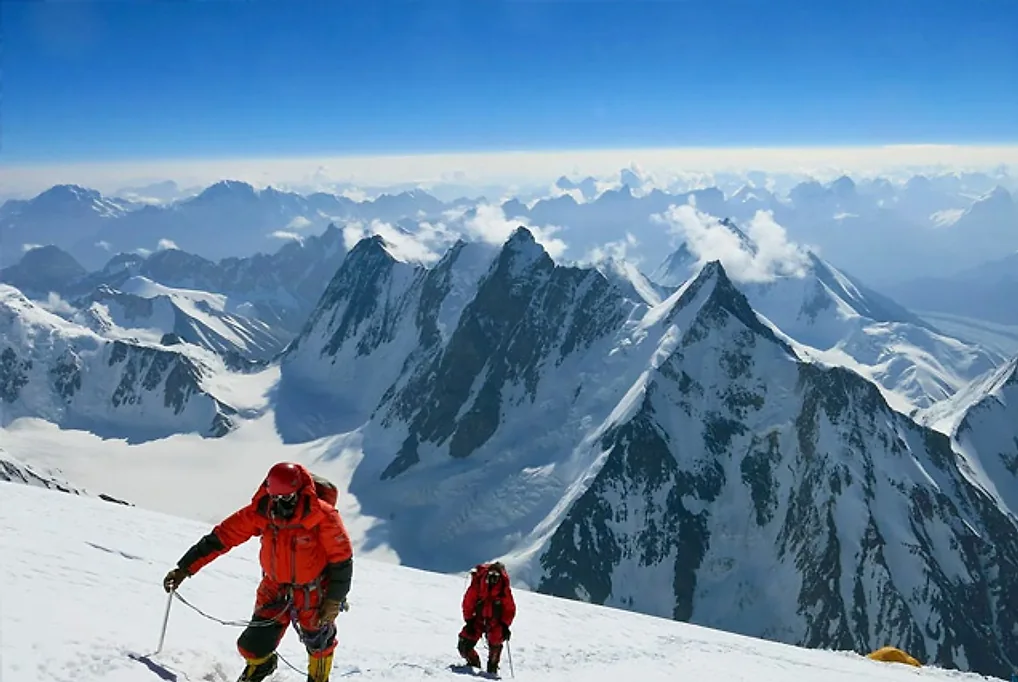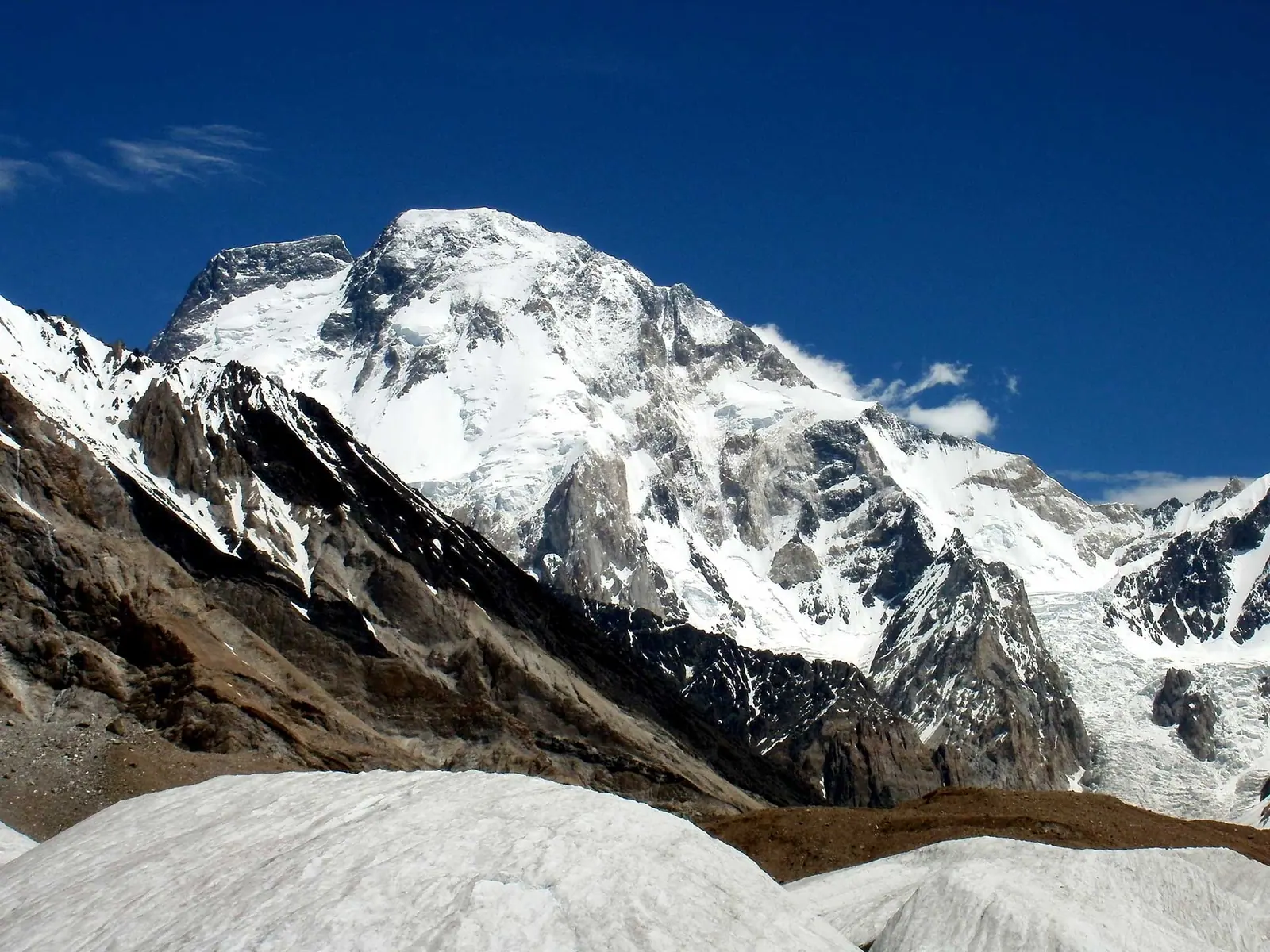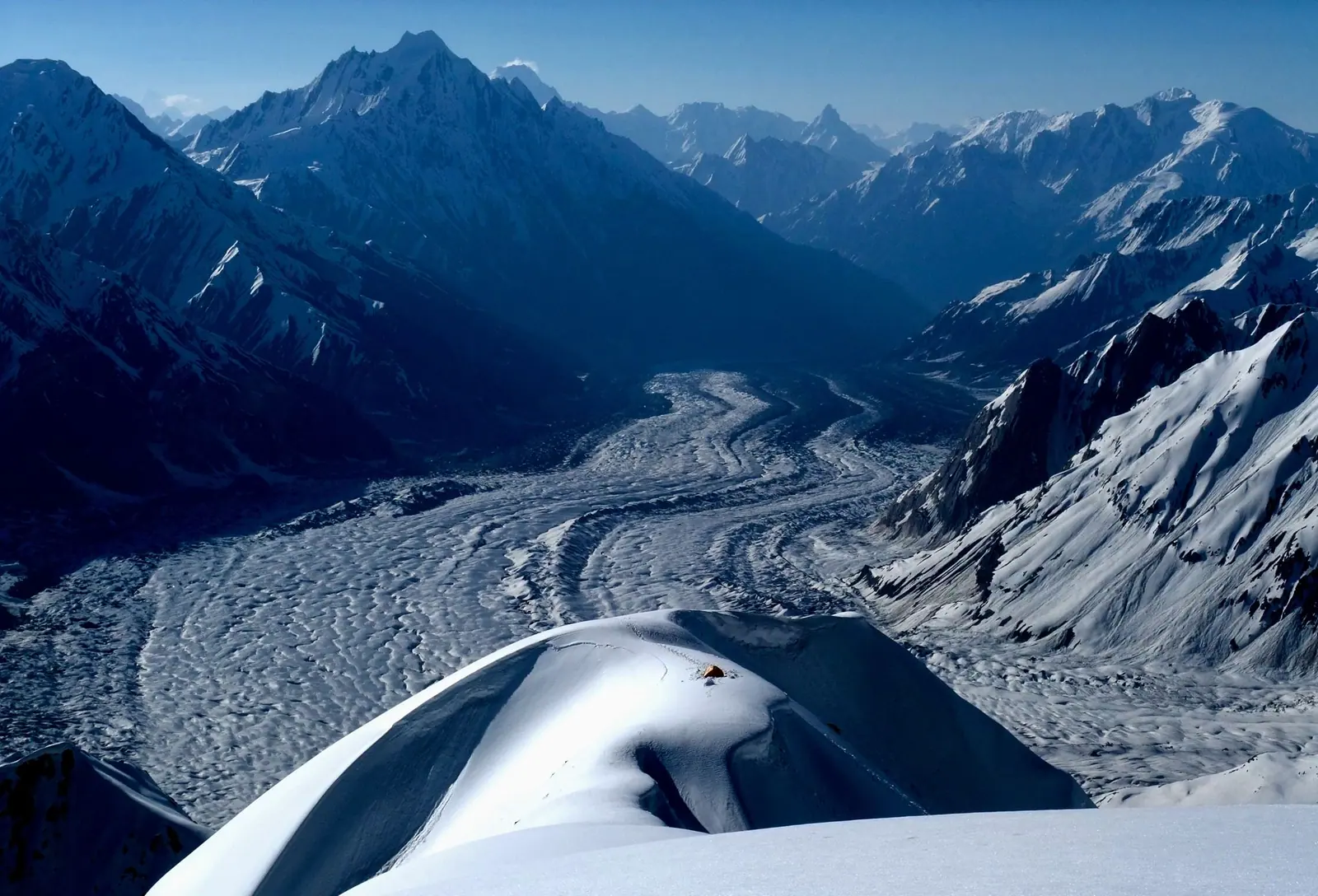
For most climbers, Broad Peak or Gasherbrum II is the more approachable first 8,000er in Pakistan, and K2 is the one to earn later. Whichever you choose, it is a serious undertaking. The sensible route is to climb a 6,000–7,000m peak first, such as Spantik, so you know how your body behaves high up. Costs for the 8,000ers on our programme run from $15,500 to $18,500 per person.
Which 8,000er should you climb first?
Broad Peak and Gasherbrum II are the two most often suggested as a first 8,000m peak in Pakistan, because their routes are generally less technical than K2 or Nanga Parbat. Neither is easy. Altitude, weather and fatigue decide most outcomes, so prior experience above 6,000m matters more than the name of the mountain.
We would not call any 8,000er a beginner objective, and we say so plainly to anyone who asks. The real question is not which peak is easiest but which one fits the experience you already have, the time you can commit and the level of risk you accept. Climbers who rush straight to the biggest name often spend the trip struggling rather than climbing.
A fair rule of thumb is this. If you have never been above 6,000m, start lower, and treat an 8,000er as your second or third big trip. If you have already climbed a 7,000er and acclimatised well, Gasherbrum II or Broad Peak is a reasonable next step. K2 is for climbers with solid high-altitude and technical mountaineering behind them. Our overview of all five giants is in
Pakistan's five 8,000m peaks
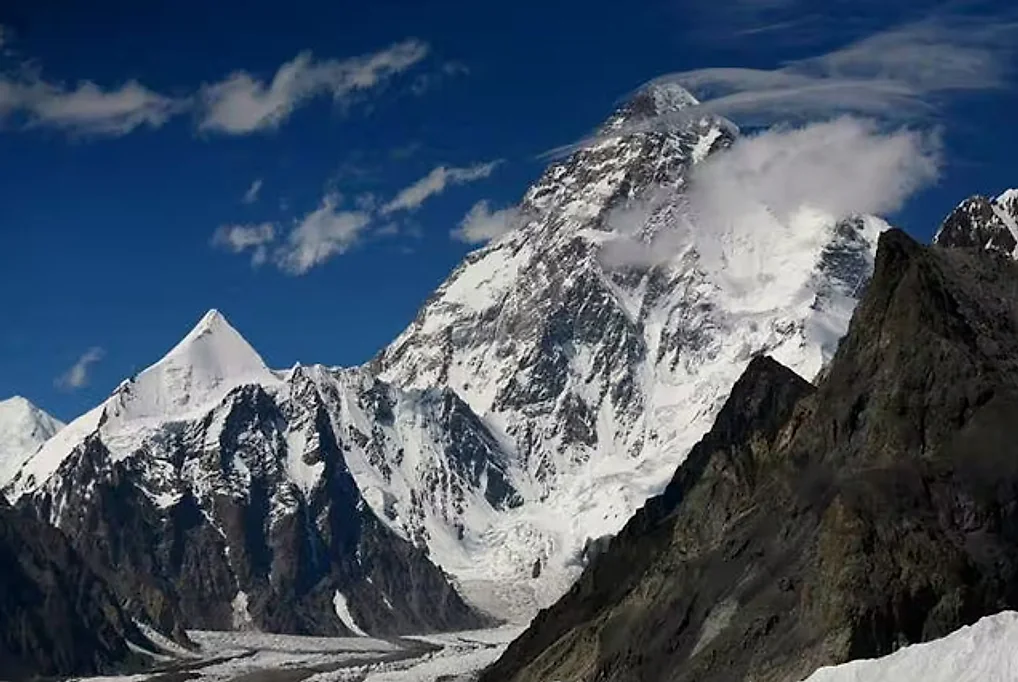
Pakistan has five of the world's fourteen 8,000m peaks: K2, Gasherbrum I, Gasherbrum II, Broad Peak and Nanga Parbat. K2 is the highest and by common agreement the hardest. Gasherbrum II and Broad Peak are usually seen as the more approachable of the group, though every one demands full expedition commitment.
| Peak | Height | Relative difficulty | From price |
|---|---|---|---|
| K2 | 8,611m | Hardest of the five | $18,500 |
| Broad Peak | 8,051m | Often cited as approachable | $18,000 |
| Gasherbrum I | 8,080m | Demanding, more technical | $17,000 |
| Gasherbrum II | 8,035m | Often cited as approachable | $15,500 |
| Nanga Parbat | 8,126m | Serious, with a long history of tragedy | $16,000 |
Prices are per person, from the 7–10 climber tier, and fall as the group grows. Difficulty is a general comparison, not a promise: conditions change every season, and a mountain that is kinder one year can be brutal the next.
Here is how we describe each one when climbers ask us.
- K2 is the Savage Mountain. It combines steep, technical terrain with notoriously unsettled weather, and it asks the most of you.
- Broad Peak sits beside K2 and shares the Baltoro approach. Its normal route is long and high rather than technical, which is why it is a common first 8,000er.
- Gasherbrum II is the lowest of the five and is often described as the most straightforward. It is still a high, cold and tiring climb.
- Gasherbrum I (Hidden Peak) is a step up in difficulty from its neighbour and suits climbers with strong experience.
- Nanga Parbat is the western giant, approached from a different valley. It has a serious reputation and rewards respect and patience.
You can read more about each mountain, its history and routes in our dedicated guide, then look at the expeditions themselves:
What an 8000er expedition costs
Our 8,000m expeditions run from $15,500 (Gasherbrum II) to $18,500 (K2) per person, based on a group of seven to ten and falling as the group grows. Broad Peak is from $18,000, Nanga Parbat from $16,000 and Gasherbrum I from $17,000. International flights and personal gear are separate.
Those figures cover the in-country expedition: logistics from Skardu, the approach to base camp, camp operations and our local team. Government royalty and permit costs for 8,000m peaks are significant, and they vary by peak and by season, so we do not quote a figure here. Ask us for the current breakdown when you enquire, and we will show you exactly what is included.
Budget beyond the headline price too. Climbers should plan for flights to Islamabad, travel insurance that explicitly covers high-altitude climbing and rescue, personal equipment, and a reserve for delays and extra days. Weather windows on big peaks can stretch a trip, and you should be ready for that in both time and money.
Group size shapes the price. A larger team shares fixed costs such as transport, base camp and permits, so the per-person rate drops as numbers rise. For a wider look at what drives costs, see our general guide:
Best first 6,000–7,000m peaks
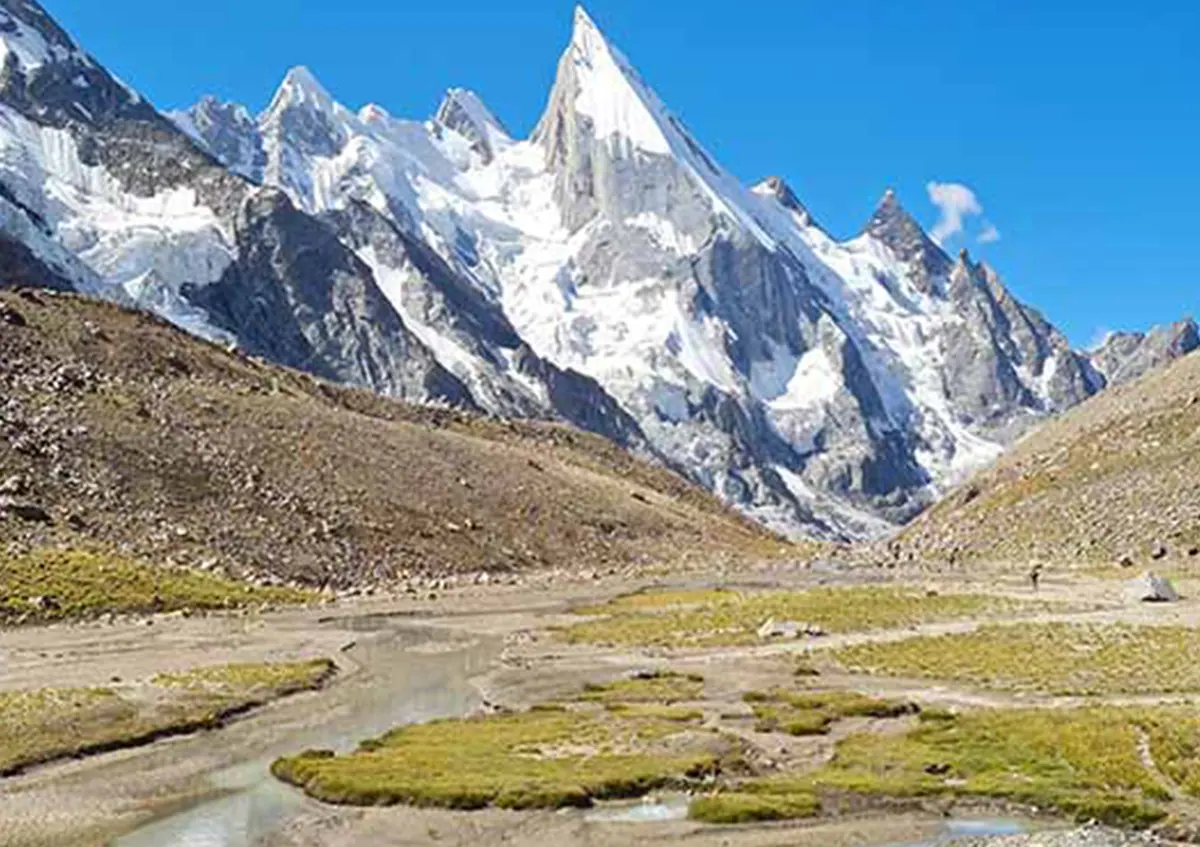
Spantik, at about 7,027m, is a classic first 7,000er and our top recommendation as a stepping stone. Laila Peak (6,096m), Pastore Peak and Trango Tower offer different challenges in the 6,000m range. All cost far less than an 8,000er, from $3,300 to $6,000 per person.
| Peak | Height | Character | From price |
|---|---|---|---|
| Spantik | About 7,027m | Classic first 7,000er | $6,000 |
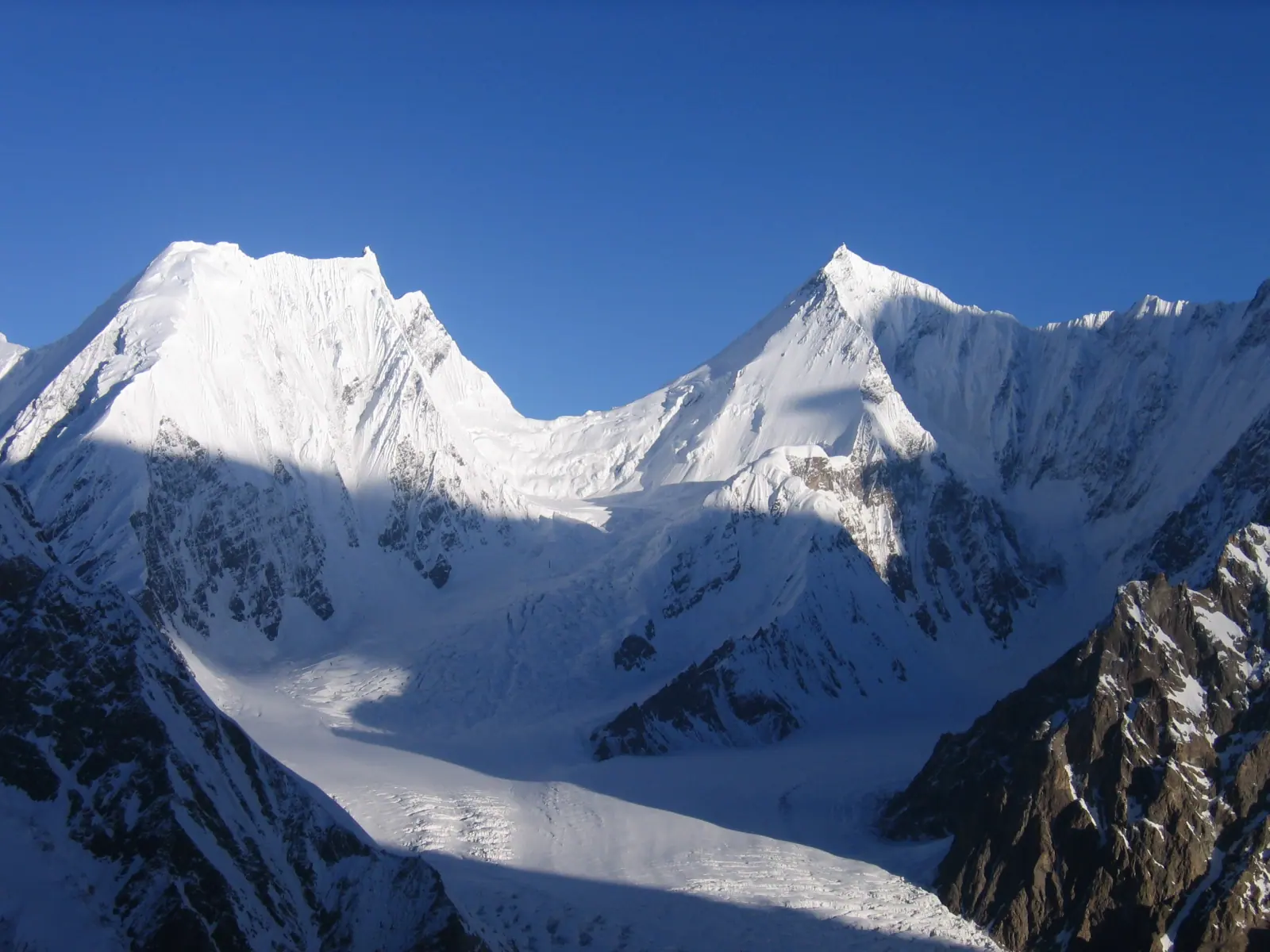
| Pastore Peak | 6,000m class | Mixed snow and ice climb | $4,000 |
| Trango Tower | 6,000m class | Technical rock objective | $4,500 |
| Laila Peak | 6,096m | Steep, striking pyramid | $3,300 |
Spantik deserves special mention. It is high enough to test your acclimatisation properly, yet its normal route is regarded as a gentle introduction to 7,000m climbing. Climbers who summit it learn how they handle several nights above 5,000m, how their kit works and how they cope with cold and fatigue. That is exactly the information you want before paying for an 8,000er.
Laila Peak is a more distinctive, steeper objective, while Pastore Peak is a good mixed climbing test. Trango Tower is different again: a technical rock climb that suits those with serious climbing skills rather than pure altitude experience. Match the peak to the skills you want to build.
If you want a larger step up before an 8,000er, Rakaposhi (7,788m) and Chogolisa are each from $9,500 per person and offer substantial 7,000m experience on bigger mountains.
How to build up safely
Build up in stages: a high trek, then a 6,000m peak, then a 7,000er, and only then an 8,000er. Each step teaches you how you acclimatise, how you perform in cold and how you manage fatigue. Skipping steps saves little money and adds real risk.
A sensible progression might begin with a demanding trek such as K2 Base Camp, which takes you to roughly 5,000m on the Baltoro and shows how you feel at height. From there, a 6,000m summit adds ice and snow skills, and a 7,000er such as Spantik adds multiple camps and several high nights. Only then does an 8,000er become a realistic next step.
- Spend real time above 5,000m before you commit to an 8,000er, and note how your sleep, appetite and energy respond.
- Learn your acclimatisation pattern. Some climbers adapt quickly, others need more days, and neither is a failing.
- Practise with your own boots, crampons, harness and layers on a smaller peak so nothing is new on the big one.
- Train specifically: long days with a load, plus sustained cardio. Fitness will not replace acclimatisation, but you need both.
- Be honest about turning around. Summits are optional, and coming home safely is the whole point.
Acclimatisation is the single biggest factor in high-altitude success, and it cannot be rushed or faked. Our guide explains how it works in the Karakoram and why itineraries include rest and rotation days:
Remember that every peak on this page is a serious undertaking. Conditions, avalanche risk and weather can change quickly, and summit success is never guaranteed on any mountain. We run each trip from Skardu with a local, Balti-run team, and we will tell you straight if we think you are not ready for the peak you have in mind.
Plan this with us
If you are weighing up a first 8,000er, or want to start with Spantik, tell us about your experience and we will suggest a realistic progression. We hold a Department of Tourist Services licence (DTS No. 008) and run every expedition from Skardu with no middlemen.